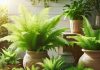
Camper Landscaping Ideas: Transform Your Campsite into a Home Away from Home

There’s a special kind of freedom that comes with the camper lifestyle—the ability to pack up and go, with your home in tow. But whether your camper is a weekend retreat or a permanent residence in an RV park, you likely want the space around it to feel just as comfortable and inviting as a traditional backyard. The challenge, of course, is creating a beautiful outdoor area that’s either temporary or works within a limited, often paved, footprint.
As a landscape design expert, I believe that the unique constraints of camper living are a fantastic creative opportunity. This isn’t about traditional lawns or permanent gardens. It’s about smart, portable solutions that add privacy, charm, and function to your outdoor living space. This post will explore a variety of inventive Camper Landscaping Ideas that are perfect for transforming your spot into a personal oasis.

Define Your Vision and Goals
Every standout campsite landscape begins with a clear concept and purpose.
Before picking tools or plants, determine your overall mood—rustic woodland hideaway, desert boho retreat, coastal cottage charm, or modern minimalist haven. Reflect on how long each setup will remain in place, from quick weekend trips to a seasonal RV home on private land. Finally, choose a style palette of materials and colors that aligns with both your camper’s exterior and your personal taste.
By defining your vision and practical constraints up front, you’ll focus efforts on features that deliver maximum impact and enjoyment.
Site Assessment and Preparation
Laying a solid foundation prevents frustration and ensures each element stays in place.
-
Clearing Debris
- Remove rocks, branches, and outdated camping mats.
- Level minor dips with landscape sand or gravel.
-
Mapping Key Zones
- Sketch the entrance, cooking area, lounge nook, and pathways.
- Ensure clear sightlines and easy flow between zones.
-
Soil and Drainage Check
- Test for standing water after rainfall and compacted soils.
- Amend heavy clay with coarse sand and organic mulch for better percolation.
-
Anchoring Elements
- Mark spots for fire pits, pergolas, and furniture legs.
- Use portable pavers or deck tiles to stabilize legs on softer ground.
Thorough prep transforms a random clearing into an organized campsite canvas.
Hardscape Foundations and Pathways
Hardscaping brings structure, guiding guests from the camper door to each activity zone.
-
Gravel and Mulch Paths
• Crushed granite or pine bark chips create casual, permeable walkways.
• Edged with logs or stones to contain materials.
-
Portable Deck Tiles
• Interlocking composite or teak tiles form a quick, elevated patio.
• Keeps furniture level on uneven terrain.
-
Reclaimed Pavers and Stepping Stones
• Salvaged concrete squares or flagstones add visual weight.
• Laid atop weed barrier fabric to minimize upkeep.
-
Natural Borders
• Driftwood logs, river rocks, or half-buried timbers carve out planting beds.
• Bamboo stakes tied with rope for a beachy, boho accent.
These adaptable features pack away easily yet anchor your campsite with purposeful pathways and patios.
Plant Selection for Portability and Resilience
Right plant choices balance beauty with low maintenance and mobility.
Focus on species that thrive in containers, tolerate temperature swings, and require minimal watering. Group plants by watering needs and sun exposure to streamline care. A portable drip bag or a single watering station can keep your entire landscape hydrated with minimal effort.
| Category | Plant Examples | Key Benefits |
|---|---|---|
| Low-Care Perennials | Sedum, Lavender, Ornamental Grasses | Drought-tolerant, year-round form |
| Native Wildflowers | Coneflower, Black-Eyed Susan, Coreopsis | Attract pollinators, seasonal blooms |
| Compact Shrubs | Dwarf Boxwood, Mini Japanese Maple | Structural form, container-friendly |
| Culinary Herb Stations | Basil, Thyme, Rosemary | Fresh seasoning, fragrant foliage |
| Air-Purifying Houseplants | Snake Plant, Pothos, ZZ Plant | Improves air quality, indoor/outdoor |
This palette ensures your camperscape stays lush and inviting, yet remains simple to maintain.
Container Gardening and Vertical Greening
When soil beds aren’t feasible, add layers of greenery with pots and vertical structures.
-
Hanging Baskets and Macramé Holders
• Lightweight planters suspend from awnings for upper-level interest.
-
Tiered Plant Stands
• Multi-shelf metal or wooden racks display succulents, herbs, and annuals.
-
DIY Pallet Walls
• Reclaimed pallets fastened to camper stabilizers become living walls for strawberries or vines.
-
Freestanding Trellises and Lattice Panels
• Train climbing morning glories, honeysuckle, or clematis without digging.
-
Fabric Pocket Planters
• Felt or canvas pockets slip onto any vertical surface for micro-greens and mint.
These vertical solutions multiply the growing area while keeping the walking space clear.
Decorative Accents and Cozy Zones
Beyond plants, select textures and furnishings that invite relaxation and gathering.
-
Outdoor Rugs and Carpets
• Weather-resistant mats define lounge or dining areas.
-
Foldable Furniture Sets
• Collapsible chairs, bistro tables, and benches fold flat for easy transport.
-
Vibrant Textiles
• Throw pillows and patterned poufs add color and comfort.
-
Fire Features
• Portable fire pits or chimineas create focal points and warmth after sunset.
-
Water Features
• Small fountains or bird baths introduce soothing sound and wildlife visits.
Arrange these accents to create distinct but connected zones for cooking, dining, and unwinding.
Lighting Strategies for Ambiance and Safety
As daylight fades, well-planned lighting extends enjoyment and ensures safe passage.
-
Solar-Powered String Lights
• Draped under awnings or between trees for a gentle overhead glow.
-
Pathway Bollard Lights
• Stake-mounted LEDs guide footsteps without wiring.
-
Rechargeable Lanterns and Torches
• Provide task lighting for cooking and reading.
-
Motion-Activated Spotlights
• Illuminate when movement is detected to deter wildlife.
-
Flameless LED Candles in Glass Jars
• Offer intimate accent lighting without fire risk.
Combining ambient, task, and accent lights transforms your campsite into a warm, inviting retreat.
Sustainable and Low-Maintenance Solutions
Eco-friendly choices reduce impact and simplify ongoing care.
| Feature | Benefit | Implementation |
|---|---|---|
| Rainwater Harvesting | Conserves water for plant irrigation | Collapsible barrels or tarp catchments |
| Permeable Surfaces | Promotes groundwater recharge | Gravel paths, wood chip borders |
| Native Plant Zones | Minimizes watering and fertilizer needs | Choose species adapted to the local climate |
| Portable Compost Bins | Converts scraps into soil amendment | Worm bin in a cooler or small tumbler |
| Recycled Planters | Upcycles materials, unique aesthetic | Tin cans, milk crates, broken pots |
Incorporating these practices creates a resilient landscape that thrives with minimal inputs.
Seasonal Adaptations and Storage
Camper landscapes must flex with changing weather and pack down efficiently.
-
Hot-Weather Mods
• Install shade sails or reflective awning covers to reduce heat.
• Add misting nozzles above seating zones.
-
Cold-Weather Prep
• Move frost-sensitive pots into insulated crates.
• Stow fabrics and textiles in waterproof bins.
-
Rainy Season Protocols
• Elevate furniture on deck tiles to stay dry.
• Angle tarps for runoff and secure loose accents.
-
Compact Storage Solutions
• Use collapsible racks or duffels labeled by season.
• Stack small containers and group planters on rolling caddies.
A solid pack-down plan ensures every item remains in top condition between trips.
Sample Layouts for Popular Camper Themes
Different design themes direct choices of materials, colors, and plant groupings. The table below outlines four signature styles:
| Theme | Key Elements | Color Palette |
|---|---|---|
| Woodland Zen | Ferns, hostas, mossy stones, log-slice seating | Forest green, charcoal, taupe |
| Desert Boho | Succulent garden wall, terracotta pots, woven rugs | Terracotta, sand, turquoise |
| Coastal Cottage | Driftwood bench, seagrass planters, shell mulch | Seafoam, white, pale blue |
| Modern Minimalist | Concrete pavers, steel pergola, monochrome containers | Black, white, slate gray |
Use this roadmap to mix and match elements that suit your camper’s personality and campsite surroundings.
DIY Projects to Elevate Your Campsite
Personalizing your landscape with hands-on projects boosts satisfaction and makes your setup one-of-a-kind.
-
Pallet Planter Walls
• Sand, paint, and seal pallets, then attach small pots or fabric pockets.
-
Solar-Powered Outdoor Kitchen
• Mount solar panels to charge a 12V fridge or LED lights while you cook.
-
Mobile Rain Garden
• Repurpose a plastic kiddie pool filled with gravel and native plants to filter greywater.
-
Smart-Home Lighting Control
• Integrate battery-powered LED strips with Bluetooth or Wi-Fi controllers.
These builds engage your creativity and reward you with unique features that campers will admire.
Conclusion and Next Steps
Camper landscaping blends practical function with personal style, extending your living space into nature’s embrace. Start by defining one zone—perhaps an inviting entryway or a twilight lounge—and build outward as you refine what works. Document your experiments with photos and notes, and let each trip deepen your understanding of materials, plants, and layout strategies.
For further inspiration, explore advanced topics such as permaculture techniques in portable gardens, DIY solar showers, and mobile greenhouse kits. Embrace the process of trial and adjustment, and watch your campsite evolve into a curated haven that feels like home wherever the open road takes you.