Fast-Growing Annual Herbs: Your Cheat Sheet to a Lush, Flavor-Packed Garden

Imagine stepping into your garden or kitchen and snipping fresh tarragon, basil, or cilantro just days after sowing—no months of waiting, no guesswork. Fast-growing annual herbs deliver flavor, fragrance, and color at lightning speed. They reward your planning with rapid leaf production, letting you harvest within weeks of planting. Whether you want to supercharge your culinary creations, create an edible border, or experiment with container gardens on your balcony, these speedy herbs are your best friends.
In this comprehensive guide, you’ll discover why fast-growing annuals deserve center stage, explore top varieties, learn advanced cultivation techniques, and unlock creative ways to enjoy them all season long.

Why Choose Fast-Growing Annual Herbs?
Fast-growing annual herbs offer a unique combination of benefits that make them invaluable for gardeners of all levels:
- Rapid satisfaction: Seed to harvest in as little as 4–6 weeks keeps motivation high and plates full.
- Continuous harvest: Frequent pinching or cutting encourages bushier plants and nonstop leaves.
- Seasonal versatility: Quick life cycles let you succession-plant for spring, summer, and even fall flavor.
- Space efficiency: Perfect for small plots, raised beds, and containers—no long-term commitment required.
- Low risk: Annual life span means you can trial new varieties each year without worrying about perennial maintenance.
Whether you’re racing the seasons or simply crave immediate results, annual herbs deliver quick wins and huge payoffs for minimal effort.
Top 10 Fast-Growing Annual Herbs and Their Secrets
- Basil (Ocimum basilicum): Grows fastest in warm weather—ideal soil temperature is 70–85°F. Pinch the tip weekly to promote side shoots. Look for varieties like ‘Genovese’ for classic pesto or ‘Dark Opal’ for purple-tinged flair.
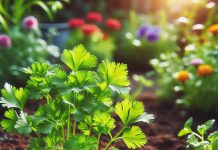
- Cilantro/Coriander (Coriandrum sativum): Prefers cooler spells of spring or fall. Direct-sow outdoors 2–4 inches apart. Harvest outer stems first; regular cutting delays flowering and extends leaf production.
- Dill (Anethum graveolens): Germinates within 7–10 days in full sun and cool soil (60–70°F). Sow every 2–3 weeks for a continuous supply of feathery leaves. Mature plants also produce edible seeds.
- Chervil (Anthriscus cerefolium): Thrives in partial shade and cool weather. Sow shallowly in rich, moist soil. Harvest before excessive heat triggers bolting; cut stems early morning for best flavor.
- Summer Savory (Satureja hortensis): Tolerates heat and drought once established. Sow seeds directly after frost risk passes, spacing 6–8 inches apart. Trim flower buds to concentrate leaf production.
- Anise (Pimpinella anisum): Fast germination in spring gives sweet-liquorice leaves and seeds. Plant in full sun with good drainage. Frequent harvesting of leaves encourages branching.
- Borage (Borago officinalis): Seeds sprout quickly and self-seed for next year. Large, hairy leaves tolerate light shade. Pick young leaves for salad or garnish; remove spent flowers to prevent overcrowding.
- Fenugreek (Trigonella foenum-graecum): Germination in 5–7 days yields nutritious, curry-flavored leaves. Sow densely in containers to create a microgreen mat. Harvest entire bunches when 4–6 inches tall for sprouts and microgreens.
- Perilla/Shiso (Perilla frutescens): Warm-season beauty with purple or green leaves. Sow after all frost danger; thin to 10 inches apart. Frequent cutting delays bolting and improves leaf color intensity.
- Mustard Greens (Brassica juncea): Sow in spring or late summer for quick, peppery harvests. Germinates within 3–5 days at cool soil temperatures. Cut outer leaves continuously to encourage regrowth.
By choosing from these diverse annuals, you’ll enjoy a dynamic palette of flavors—from sweet basil to spicy mustard—while harvesting within a single growing season.
Sowing Success: Seeds vs. Seedlings
Opting between seeds and seedlings depends on your schedule, budget, and desired scale:
-
Seeds
• Economical and diverse: Access rare heirloom or specialty varieties.
• Direct sow or start indoors: Use seed trays under grow lights for early starts.
• Timing control: Sow every 2–3 weeks for succession crops.
-
Seedlings
• Instant greenery: Purchase healthy 4–6-inch transplants from local nurseries.
• Lower failure rate: Avoid issues like dampening-off and erratic germination.
• Higher cost: One seedling may cost as much as a packet of seeds.
Many gardeners combine both: start sun-sensitive herbs like basil as seedlings, and direct-sow hardy ones like dill and mustard greens outdoors.
Soil, Nutrition, and Container Choices
Regardless of chosen herbs, soil, and containers, shape success:
- Soil Mix: Use a well-draining potting blend: two parts peat moss or coconut coir, one part perlite or coarse sand, and one part compost. This ensures moisture retention plus air pockets for root health.
- Fertilization: Fast growers deplete nutrients quickly. Apply a balanced, water-soluble fertilizer (10-10-10 NPK) every 2–3 weeks at half strength. For organic options, feed with worm-casting tea or fish emulsion.
- Containers: Choose 6–12-inch pots for single herbs, and window boxes or troughs for mixed plantings. Ensure drainage holes and use saucers to protect surfaces. Consider self-watering planters to maintain consistent moisture.
Rich, aerated soil and thoughtful feeding foster lush leaf production—key to harvesting more, sooner.
Light, Water, and Microclimates
Fast-growing annual herbs respond dramatically to their environment:
- Light: Most annual herbs demand 6–8 hours of direct sunlight. In indoor or shady spots, supplement with full-spectrum LED grow lights for 12–16 hours daily.
- Water: Water deeply when the top 1 inch of soil feels dry. Frequent shallow watering leads to weak roots and leggy growth. Mulch containers with straw or bark to reduce evaporation.
- Microclimates: South-facing walls create heat islands that speed germination and growth by several degrees. Group containers to share humidity and conserve warmth. Use shade cloth or netting to protect sensitive herbs from heat stress at peak midday sun.
By fine-tuning light exposure, moisture levels, and localized temperatures, you accelerate growth and boost overall vitality.
Succession Planting: Continuous Harvests
To maintain a nonstop herb supply:
- Staggered Sowing: Sow seeds or set out seedlings every 2–3 weeks from spring through midsummer.
- Dual Cropping: As early herbs like cilantro or dill start to bolt, replace them immediately with warmth-loving basil or perilla.
- Cut-and-Come-Again: For basil, chervil, and summer savory, harvest no more than one-third of foliage at once. This practice prolongs productive periods and delays flowering.
Succession strategies keep your kitchen pantry filled and prevent garden gaps.
Mixing and Matching: Edible Landscapes
Transform your garden or balcony into a living tapestry:
- Herb Borders: Line pathways with low-growing plants like thyme and chives. Taller herbs like dill and perilla add height and movement in the back.
- Intercropping: Combine fast annuals with slower perennials. Plant basil alongside rosemary; the basil shades the soil, and the rosemary repels pests.
- Color and Texture: A trio of purple basil, bright green cilantro, and silvery sage creates stunning contrasts. Mix leaf shapes—feathery dill, flat parsley, and bulbous chives—for visual interest.
- Vertical Layers: Use stacked planters or tiered shelves for small patios. Mount spice racks on railings for small-scale herb towers.
By weaving annuals into formal and informal designs, you enjoy both beauty and flavor.
Harvesting, Drying, and Preserving
To savor herbs beyond the growing season:
- Fresh Use: Harvest early in the morning for peak oil concentration. Snip stems just above leaf nodes.
- Drying: Bundle 5–10 stems of thyme, oregano, or summer savory and hang upside down in a cool, dark place. Strip leaves when fully crisp and store in airtight jars.
- Freezing: Chop herbs like basil and cilantro, pack them into ice cube trays, cover with olive oil or water, and freeze. Pop individual cubes into soups, sauces, and sautés.
- Infused Oils and Vinegars: Submerge sprigs of tarragon, rosemary, or chervil in olive oil or white vinegar. Let steep for 2–4 weeks in a cool, dark cupboard; strain and decant.
Preservation methods lock in flavors and let you enjoy garden-to-table tastes all year.
Troubleshooting Common Hurdles
- Leggy Growth Cause: Insufficient light. Solution: Increase daylight hours or add grow lights; pinch back stems to encourage branching.
- Yellowing Leaves Cause: Overwatering or nutrient deficiency. Solution: Check drainage; feed with balanced fertilizer and adjust watering schedule.
- Premature Bolting
Cause: Heat stress or overcrowding.
Solution: Provide afternoon shade; thin seedlings to proper spacing.
- Pests
Cause: Aphids, whiteflies, or spider mites in warm, stagnant spots.
Solution: Improve airflow; spray foliage with insecticidal soap; introduce predatory insects like ladybugs.
Quick diagnosis and targeted remedies get your herbs back on track and thriving.
Beyond the Basics: Advanced Tips for Herb Enthusiasts
- Biochar Boost: Amend soil with 5–10% biochar to enhance moisture retention and microbial activity.
- Mycorrhizal Inoculants: Add beneficial fungi at transplanting to increase nutrient uptake and drought resistance.
- Foliar Feeding: Spray dilute seaweed or kelp extracts every 2 weeks for growth stimulation and stress resilience.
- Companion Planting Allies: Pair basil with tomatoes for enhanced flavor; interplant cilantro with peppers to deter aphids.
These performance-enhancing techniques elevate your garden from good to gourmet.
Your Fast-Growing Herb Adventure Starts Now
Fast-growing annual herbs give you almost instant gratification, turning empty plots and windowsills into lush, aromatic wonderlands. By selecting the right varieties, mastering sowing cycles, and fine-tuning soil, water, and light conditions, you’ll unlock a world of fresh flavors and creative culinary inspiration. Ready to sow your first row of basil or cilantro? Arm yourself with seed packets, prepare your soil, and get set for weeks of rapid growth and endless harvests.
For more in-depth guides on edible landscaping, specialized preservation methods, and season-extension strategies, stay tuned to our blog. Your journey to a greener, more flavorful world begins with a single seed—and grows fast from there.