How to Start Your First Indoor Garden: A Comprehensive Guide
SEO Meta-description: Learn how to start your first indoor garden with this comprehensive guide. Get expert tips and step-by-step instructions to cultivate a thriving indoor garden, even if you’re a beginner. Follow our detailed outline to ensure your indoor garden flourishes with lush greenery and beautiful blooms.
Introduction
Are you ready to embark on a green adventure within the comfort of your own home? Starting an indoor garden can be a rewarding and therapeutic experience, bringing nature’s beauty and fresh air right into your living space. Whether you have a spacious home or a cozy apartment, indoor gardening is a fantastic way to connect with nature, relieve stress, and even grow your own herbs and vegetables.
In this comprehensive guide, we’ll walk you through every step of starting your first indoor garden. From selecting the right plants to providing them with the ideal environment, we’ve got you covered. So, put on your gardening gloves, and let’s dive in!
How to Start Your First Indoor Garden
Just because it’s cold outside doesn’t mean that you can’t grow plants at home. Indoor gardening is a great way to exercise your green thumb pretty much all year round. If you are new to this and have no idea where to begin, you’ve come to the right place.
Here’s a step-by-step guide on how to start your very first indoor garden:
Understanding the Basics of Indoor Gardening
Before you dive into the world of indoor gardening, it’s essential to grasp the basics. Indoor gardening is the practice of growing plants indoors, creating a microenvironment suitable for their growth. Here, you’ll discover how to bring the outdoors inside and create a flourishing green haven.
Essential Supplies for Indoor Gardening
Equip yourself with the necessary gardening tools and supplies to ensure a smooth gardening journey. From pots and soil to watering cans and pruners, we’ll provide you with a comprehensive checklist.
Choose Your Plants
Natural light is usually a challenge when growing plants indoors, so you might want to choose plants that can thrive without much sunlight, such as kale, lettuce, arugula, and spinach. These hearty greens take around 45 days to grow fully. As for colorful veggies, you can go for carrots, radishes, and beets. You’ll want to avoid pumpkins, squash, and watermelon because other than the obvious size issue, these plants tend to sprawl out or climb up, taking up a lot of space.
If patience is not one of your virtues, consider planting microgreens; these small but mighty greens have an aromatic flavor and concentrated nutrient content and can be harvested just after 10 days of planting. On the other hand, if you want to grow your own herbs, oregano, basil, mint, chives, thyme, sage, and parsley are all great flavor boosters that can thrive indoors. It’s best to start with seeds as opposed to plants; they are typically less expensive and easier to find.
Make or Buy Containers
When planting seeds indoors, you can use various items as containers. Empty yogurt cups make perfect containers, provided that they are around 2 inches wide and 3 inches deep. You can also make your own containers using newspaper or cardboard.
These make transplanting easier because newspaper and cardboard are biodegradable, so they can be placed in the outdoor garden later on. You can use virtually any material to make containers as long as it allows excess water to drain out.
If you have old containers, you can reuse those, but make sure you clean them first using a one-part bleach solution mixed with 9 parts water to get rid of any bacteria that may harm your seedlings. You can also buy biodegradable pots made from composted animal manure that you can easily plant in your outdoor garden when it’s time to transplant.
Read More: How to Start an Urban Garden Outside Your Home
Decide on a Location for Your Garden
Next, you need to pick a convenient spot for your indoor garden. When you first plant the seeds, the soil will need more heat than light, so you don’t have to choose a well-lit location as long as it is warm enough for the seeds to sprout. You can start the garden in a warm basement corner or by a large window that gets lots of sunlight. However, once the seedlings break the soil, you’ll have to relocate the garden to a brighter spot.
Assemble Your Gardening Tools
Despite what you might think, the tools required for indoor and outdoor gardening are not the same. Since indoor gardens are usually much smaller, you’ll need compact indoor gardening equipment to tend yours properly.
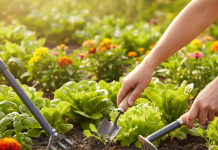
Your indoor plants don’t have as much access to nutrients as your outdoor plants, so you’ll have to add compost and fertilizers to the soil using a hand fork. Not only will it come in handy when working and aerating the soil, but you will also need it for planting and transplanting.
Moreover, you’ll want to invest in a durable set of pruning shears so you can clip stems, leaves, weeds, and any unwanted growth with ease. To avoid accidentally harming your plants, keep your shears sharp and wipe them down with rubbing alcohol after using them to keep the blades free from bacteria and disease. You’ll also need a nifty transplanter, a small watering can, a soil tester, and a couple of bamboo or plastic garden stakes to support your plants as they grow.
Prep the Soil and Plant the Seeds
 Prepping the soil of an indoor garden is much easier than it is with an outdoor one because you have a much smaller space to deal with. A quality seed-starting mix is better for your plants than its standard potting counterparts because its granules are smaller and lighter, making it easier for the seedling roots to grow.
Most seed packages state the best time of the year to plant them based on your location and the date of the last spring frost. If you’re not sure, it’s best to ask a local gardener because if you plant the seeds too soon, they might grow too large for your indoor garden, whereas if you plant them too early, the seedlings won’t mature enough. You need to make sure your plants mature at the right time so you can safely transplant them outside.
If they grow prematurely, you’ll have no choice but to transplant them too early when it’s still cold outside. Since the soil won’t be warm enough to support their growth, all your hard work will go down the drain, so make sure you get the timing just right.
Water Your Seeds Correctly
Proper watering is vital for the health of your plants. Overwatering or underwatering can lead to problems, but with our expert tips, you’ll learn how to strike the right balance.
Giving your plants the right amount of water is perhaps the trickiest part of tending an indoor garden. You want to moisten the soil without washing the seeds out. To avoid overwatering your plants, make sure your container has drainage holes to let excess water out.
Use your soil tester to check the moisture levels daily and cover the container with damp newspaper or plastic to hold in the warmth and moisture. Once the seedlings break the soil, you should go ahead and remove the cover.
Install Fluorescent Lights
Light is a critical factor in indoor gardening. Discover how to identify the lighting needs of your plants and how to supplement natural light with artificial sources, if required.
Even if your garden gets sunlight, you’ll have better results if you supplement natural light with fluorescent light. Full-spectrum LEDs and CFLs are great energy-efficient light sources that will help your garden grow and flourish.
Place them 6 inches over your plants, and if they don’t get any natural sunlight, consider placing a whiteboard or aluminum foil around the containers to reflect and maximize the artificial light.
Temperature and Humidity Control
Maintaining the right temperature and humidity levels is essential for a thriving indoor garden. We’ll guide you on how to keep your plants comfortable and happy year-round.
Avoiding Common Indoor Gardening Mistakes
Even experienced gardeners make mistakes. We’ll help you avoid some of the most common pitfalls and ensure your indoor garden stays healthy and vibrant.
Dealing with Pests and Diseases
No garden is entirely immune to pests and diseases, and indoor gardens are no exception. Learn how to identify common issues and take proactive measures to protect your precious plants.
Frequently Asked Questions (FAQs)
How often should I water my indoor plants?
The frequency of watering depends on the type of plant, the potting mix, and the environmental conditions. Generally, it’s best to water when the top inch of soil feels dry to the touch.
What are some low-light indoor plants for beginners?
Snake plants, pothos, and ZZ plants are excellent choices for beginners as they can thrive in low-light conditions.
Can I use regular garden soil for indoor gardening?
It’s best to avoid using regular garden soil for indoor plants, as it may contain pests, diseases, or drainage issues. Opt for a well-draining potting mix formulated for indoor plants.
How do I know if my indoor plants are getting enough light?
If your plants start stretching toward the light source, have pale leaves, or show signs of wilting, they might not be getting enough light. Consider moving them to a brighter spot.
How can I increase humidity for my indoor plants?
Misting your plants, placing a tray of water near them, or using a humidifier are effective ways to increase humidity in the indoor environment.
Can I grow vegetables indoors?
Yes, you can grow various vegetables indoors, such as tomatoes, peppers, lettuce, and herbs like basil and mint.
Conclusion
With these tips in mind, you can get a head start on the summer growing season and be the first in town with fresh veggies and herbs when the warmer months finally arrive. Whether or not you have a green thumb, it’s completely normal for your kale to shrivel up or your mint to look sad and droopy, so don’t give up too quickly. Gardening comes with a learning curve, but with the right tools and a bit of planning, you’ll get the hang of it eventually.
Read More: How To Take Your Allotment To The Next Level