Indoor Gardening the Feng Shui Way: Balance and Harmony

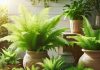
Indoor gardening is not just about nurturing plants; it’s also a way to invite positive energy and balance into your living space. Feng Shui, an ancient Chinese practice, emphasizes the importance of harmonizing the environment for well-being and prosperity. In this guide, we’ll explore how to create an indoor garden that aligns with Feng Shui principles, promoting positive energy and tranquility in your home.
What kind of plants you use and where you place them in your house or home, can influence the way you feel. This idea called Feng Shui – has been around for centuries. The Theory is that everything processes energy, especially living things.
If you surround yourself with plants and beautiful, comfortable home furnishings, you will feel better than if your home is full of dead or dying, plants and old furniture you don’t care about.
Selecting the Right Plants
1. Choose Healthy Plants: Feng Shui encourages the use of vibrant, healthy plants as they symbolize life energy (Chi). Avoid wilted or dying plants, as they can introduce negative energy.
2. Round and Leafy Plants: Plants with rounded leaves, such as the money plant (Pachira aquatica) and jade plant (Crassula ovata), are considered auspicious in Feng Shui. They are believed to attract wealth and prosperity.
3. Lucky Bamboo: The Lucky Bamboo (Dracaena sanderiana) is a favorite in Feng Shui. It is known to bring good luck, especially when placed in the wealth and career sectors of your home.
4. Avoid Thorny or Prickly Plants: Plants with thorns or sharp leaves should be avoided as they are believed to bring negative energy.
Which Plants to Use In Feng Shui Way – Best Indoor Plants Feng Shui
The most popular plant in feng shui is the lucky bamboo. It can be placed anywhere in your home and needs very natural light.
Some other plants and flowers and their meaning:
- Jade plants: enhance prosperity
- African violets: Security
- Any dark green climbing plat: represents the desire for growth
- Snake Plants
- Hedgehog Aloe
- Calathea
The containers you use are also important. Big terra cotta planters represent stability, so you might consider using them in areas where you feel insecure. If your family life isn’t exactly what you would wish, put a plant in a terra cotta container in your family section.
Colors can also influence your energy. Use plants with white flowers in the helpful people section to draw friends to you. Yellow and orange flowers in the wealth section can improve your finances. To improve your life place peonies, red roses, or pink cyclamen in your marriage section.
To increase your fame, place red flowers in your fame section. If you want to bring more money into your life, place a Sweetheart vine or jade plant in your wealth section. Indoor trees placed in your career section can help boost a stalled career.
Read More: The Ultimate Beginner’s Guide to Indoor Gardening
Where to Put Plants
one good place to put houseplants is near you’re your front entrance. You want everyone who enters your home to have sharp angles in your home. Western architecture is enamored with angles, but Eastern Philosophy is that sharp corners send out what is called poison arrows, or bad energy.
If you’ve ever banged your shin on a square coffee table or continuously run into the same door frame, you’ll understand what this means. Put plants on the edge of square tables or near doorways so people become more aware of them and this will cut down on accidents.
Energy Flows from room to room throughout your house, but it can collect in corners where it becomes stagnant. By putting plants in the corners of rooms, especially in those places where something feels not quite right to you, you can disperse the negative energy. Try it, and you’ll see that you do feel better.
In feng shui, your house is divided into 09 sections:
| Wealth | Fame / Reputation | Marriage / Relationship |
| Family | Health | Children / Creativity |
| Knowledge | Career | Helpful people / Contacts |
Stand at your front door, look into your house, superimpose this grid on your floor plan, and you will see which areas of your home fall in which sections. It is helpful to put plants in any section that needs improvement. For example, I wanted to improve my career, so I put bamboo plants in the career, wealth, and fame section of my home ( and yes, I have seen results).
Other Good Places to Use Plants:
- Near electrical equipment to counteract the energy they give off
- Inside an unused fireplace to keep positive energy from escaping
- Under sloping ceilings to keep the negative energy flowing and to calm nervous energy.
- There is one exception to the spiky plant rule: use them near windows to discourage intruders.
The most important thing to remember about Feng Shui and indoor plants is your intention. If you place certain plants in certain areas with the intention that they will work, that they will accomplish what you desire, then they will. Give it a try and see if it works for you. 4000 years of feng shui can’t be wrong.
Placement Matters
1. The Bagua Map: In Feng Shui, the Bagua Map is used to determine the energy areas (or sectors) of your home. Place your indoor garden in the sectors that align with your intentions. For example:
- The wealth and prosperity sector: For financial abundance, place a money plant or a lucky bamboo here.
- The health sector: Consider placing herbs or medicinal plants.
- The love and relationships sector: Orchids or heart-shaped plants can enhance romantic energy.
2. Balance Yin and Yang: Feng Shui emphasizes the balance between Yin (passive) and Yang (active) energies. Balance leafy plants (Yin) with flowering plants (Yang) to maintain equilibrium.
3. Avoid Clutter: Keep your indoor garden well-maintained. Dead or withering leaves should be promptly removed, as they can disrupt the flow of positive energy.
Container and Decor Choices
1. Use Earthy Tones: Earthy colors like green, brown, and terracotta are grounding and harmonious. Choose pots, containers, and decor in these colors.
2. Round Containers: Round or oval-shaped containers are preferred in Feng Shui. They symbolize unity and completeness.
3. Mirrors: Placing mirrors strategically can amplify the energy of your indoor garden. They reflect the beauty of your plants and create a sense of spaciousness.
4. Natural Materials: Opt for furniture and decor made from natural materials like wood, bamboo, or stone. These materials resonate with the Earth’s elements, promoting balance.
Maintenance and Care
1. Regular Pruning: Trim and prune your plants to maintain their vitality. Overgrown or tangled plants can disrupt the flow of positive energy.
2. Cleanliness: A clean and well-maintained garden is essential. Dust and dirt can accumulate negative energy, so keep your garden and its surroundings clean.
3. Water with Intention: When watering your plants, do so with a sense of mindfulness and positivity. Imagine that you are nourishing not just the plants but also the energy in your space.
4. Rotate Plants: Periodically rotate your plants to ensure that all sides receive equal sunlight and energy.
Conclusion
Creating an indoor garden the Feng Shui way is not just about aesthetics; it’s about cultivating a harmonious and positive living environment. By carefully selecting plants, placing them strategically, and maintaining them with intention, you can invite balance, prosperity, and well-being into your home. Embrace the ancient wisdom of Feng Shui and watch your indoor garden flourish along with the positive energy it brings.