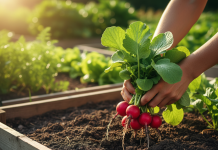
Plant Parsnips for Winter Picking: Your Expert Guide to Sweet, Frost-Kissed Roots

As the growing season winds down and gardens quiet under chillier skies, one unexpected star remains hidden beneath the earth: the humble parsnip. Far from being a mundane root, parsnips develop their sweetest, most nuanced flavors when left in cold soil until winter or early spring. From hearty stews to caramelized roasts, these frost-touched vegetables become culinary treasures just when fresh produce seems out of reach. In this in-depth guide, we’ll equip you with expert strategies—timing, soil prep, sowing, care, and harvest—to cultivate a crop of parsnips you can dig well into winter.
The Transformation: Why Frost Matters for Parsnip Flavor
Parsnips (Pastinaca sativa) are unique among root vegetables because their starches convert to sugars only after exposure to cold temperatures. A parsnip pulled from the ground in September is often bland and fibrous, but leave it through weeks of near-freezing weather, and a remarkable alchemy occurs. The chilly weeks break down complex carbohydrates, yielding a sweet, nutty, even slightly honeyed flavor that rivals any sweet potato or roasted squash. This frost-induced sweetness is precisely why gardeners plan parsnip harvests for late autumn, winter, or even early spring, when the rest of the garden lies dormant.

Understanding Parsnip Basics: A Biennial Root Crop
Though typically grown as an annual, parsnips are botanically biennials in the Apiaceae family—relatives of carrots, parsley, and dill. Their first year, they focus on forming a robust, tapering taproot; in the second, they send up flowering stalks and seeds. For winter harvests, we treat them as annuals, letting that first-year taproot mature fully before frost-induced harvesting. Parsnips thrive in cool weather: soil temperatures above 75°F impede development, while consistent moisture encourages smooth, straight roots. When planning your crop, remember that most parsnip cultivars require around 16 weeks from sowing to maturity, plus additional weeks of cold to reach their full sweet potential.
Planning Your Schedule: Counting Back from First Frost
Timing is crucial. To enjoy parsnips at Christmas—or any point in winter—you must sow seeds with enough runway for root growth and post-harvest conditioning by cold. Begin by identifying your region’s average first hard frost date. Then, count back three months to find your planting window; this allows approximately 12–16 weeks for roots to bulk up and an extra 2–4 weeks for starch-to-sugar conversion under frost. For example, if your first frost typically arrives on November 15, you’d sow between mid-July and early August for a December or January harvest. Fine-tuning your planting date by local microclimate will optimize both yield and flavor.
Site Selection and Soil Preparation: Laying the Groundwork
Parsnips demand deep, loose soil free of rocks and debris. Compacted or stony earth yields forked, misshapen roots. Ideal soil is a well-drained loam with moderate fertility and a pH between 6.0 and 7.0. Avoid fresh manure, which can encourage hairy roots and deformed shapes; instead, enrich planting beds with aged compost at 2–3 inches. Deeply dig or rototill the ground to at least 12–18 inches to allow pan-sized roots room to develop. Finally, rake the surface smooth—parsnip seedlings emerge slowly and benefit from minimal crusting or clods that could impede sprout growth.
Seed Selection and Germination Rates: Start Strong
Parsnip seed viability declines rapidly; seeds older than 12 months rarely germinate at more than 30–40%. To maximize success, purchase fresh seed from reputable suppliers—look for batches with listed harvest dates and high germination guarantees. Even with fresh seed, expect germination to take two to three weeks, and rates around 60% are typical.
To shield delicate seedlings, sow in a shallow, ¼‐ to ½‐inch furrow, cover lightly with sifted compost or fine sand, and keep the seedbed evenly moist. Using row covers or a light mulch of straw can maintain soil moisture and temperature, giving fragile sprouts a gentler microclimate to emerge successfully.
Sowing Techniques: Precision and Patience
Once seeds are in hand, plant them one per centimeter in rows spaced 12–18 inches apart. Dense sowing followed by timely thinning fosters rapid groundcover, which suppresses weeds and retains soil moisture. After seedlings reach 2–3 inches tall, thin to 4–6 inches between plants—this space lets taproots expand without jostling.
When thinning, snip unwanted seedlings at the soil line instead of pulling, which can disturb neighbors’ roots. By maintaining consistent spacing and soil contact, you’ll encourage uniform root development and simplify harvest time.
Watering and Feeding: Nourishing Robust Roots
While parsnips aren’t heavy feeders, they do appreciate balanced nutrients and consistent moisture. Keep beds evenly moist—about 1 inch of water per week—to prevent roots from becoming woody or split. During prolonged dry spells, irrigate deeply rather than sprinkling, encouraging roots to reach downward in search of moisture. Fertilize sparingly with a low-nitrogen, higher-phosphorus formula early in development to support root bulking rather than excessive foliage. A mid-season application of bone meal or rock phosphate can boost root growth without the leafy explosion that high-nitrogen feeds trigger.
Pest and Disease Management: Protecting Your Young Crop
Parsnips face few serious pests beyond seedling-nibbling earwigs and rodents that may dig for buried roots. To deter earwigs, dust seedlings with diatomaceous earth or install small cardboard “bridges” on the soil surface for insects to hide and be removed each morning. Avoid overhead watering to reduce the risk of fungal issues like powdery mildew on foliage. As the season cools, pests become less active, but vigilance during the seedling phase pays dividends. Once plants reach 6–8 inches in height, robust foliage helps deter most insect pressure naturally.
Frost Protection and Mulching: Ensuring Cold Conditioning
To ensure parsnips receive the freezing exposure that sweetens their flavor, leave roots in the ground through the first frosts. As temperatures dip below 32°F, the plant’s metabolism shifts, converting starches into sugars. A 2–3-inch layer of straw mulch applied after the first hard freeze protects roots from heaving in freeze-thaw cycles, while still exposing them to the cold needed for sugar transformation. In extremely frosty regions, consider a removable cover of burlap or frost cloth on the coldest nights to prevent roots from freezing solid, which can damage their texture beyond recovery.
Harvesting Parsnips: Timing and Technique
Harvest parsnips when the ground is frozen or in early spring—whenever you need a fresh root, simply unearth it. If you plan a single harvest, wait two to four weeks after the first hard freeze, then dig carefully with a spade or fork to avoid bruising. For ongoing supply, leave roots buried and pull individual specimens as needed; mulch will keep them protected until you’re ready. Harvesting in midwinter delivers the sweetest parsnips, but if you miss the window, you can lift roots in early spring; just be mindful of warmer temperatures, which can soften texture and diminish sweetness.
Post-Harvest Storage and Culinary Uses
Once harvested, parsnips store well in a cool, humid environment. Remove excess soil, trim greens to leave a 1-inch crown, and pack roots in damp sand or sawdust at 32–40°F with high humidity. Stored this way, parsnips stay crisp and sweet for months. In the kitchen, let their natural sugars shine: roast with olive oil and thyme until edges caramelize, mash with butter and cream, grate into fritters, or simmer in richly spiced soups and stews. Their versatility pairs well with pork, root vegetables, and winter greens—an essential ingredient when the nights are long and fresh produce is scarce.
Troubleshooting Common Challenges
Slow germination, patchy stands, and malformed roots can frustrate gardeners. If germination lags beyond three weeks, check soil moisture—too dry or too wet can stall sprouts. For patchy thinning, reseed any gaps immediately to avoid small, underdeveloped roots. If you notice hairy or forked roots, it’s often due to uneven soil or fresh manure—next season, remove debris and use only well-aged compost. Finally, adjust sowing dates if roots mature too early or late; a simple shift of one to two weeks can align development with your local climate’s frost schedule for peak sweetness.
Embrace the Winter Harvest: Next Steps
Planting parsnips for winter picking transforms your garden into a year-round pantry and extends the gardening thrill well beyond autumn’s end. By mastering timing, soil preparation, sowing techniques, and frost conditioning, you’ll be rewarded with roots that deliver exceptional sweetness and versatility through the cold months. Ready to elevate your winter harvests? Subscribe to our newsletter for detailed cultivar trials, advanced soil-building tips, and community stories celebrating fresh-from-the-ground winter dining. Your most delicious discovery this season may just lie beneath the frost-kissed soil.