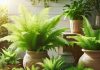
RV Landscaping Ideas: Transform Your Campsite into a Cozy Outdoor Oasis

An RV is a symbol of freedom, adventure, and the open road. But even the most avid traveler loves a home base, a place to park and relax that feels less like a campsite and more like a personal oasis. The space around your RV, whether it’s a permanent spot in a park or a designated area on your own property, is a blank canvas. With a few smart and creative landscaping ideas, you can transform a simple parking pad into a beautiful, functional, and inviting outdoor living space.
This isn’t about creating a high-maintenance garden; it’s about a design that’s practical, portable, and enhances your RV lifestyle. It’s about using clever solutions to add privacy, comfort, and beauty, making your temporary or permanent spot feel like a true home. This post will explore unique and detailed RV landscaping ideas to help you create a stunning outdoor retreat, no matter where your adventures take you.
Embracing the RV Lifestyle
Life on the road is all about freedom and flexibility. Yet temporary doesn’t have to mean bare-bones. A well-planned RV landscape maximizes comfort without sacrificing mobility. Think modular elements you can pack up in minutes, plantings that tolerate variable conditions, and cozy accents that feel like home.
Imagine stepping outside each morning to a cheerful planter spilling cascading blooms, or winding your way down a handcrafted stepping-stone path. These small touches spark joy, establish a sense of place, and make any campsite feel distinctly yours.

Understanding Your RV Site
Every campsite presents different challenges and opportunities. Observe these key factors before unpacking the first lawn chair:
- Ground Surface: Gravel, sand, grass, or concrete will dictate what landscaping elements work best.
- Sun Exposure: Track morning and afternoon sun to position plants and seating for optimal comfort.
- Wind Patterns: Use portable screens or low hedges to block prevailing breezes without impeding mobility.
- Slope and Drainage: In sloped sites, raised beds or terraced planters prevent erosion and pooling.
- Utilities and Regulations: Check campsite rules on fire pits, in-ground fixtures, and permissible hardscape materials.
A quick site sketch helps visualize where to place containers, pathways, and focal points before you invest in materials.
Key Principles for RV Landscaping
- Portability: Choose lightweight furniture, foldable accents, and container-based plantings that can be stowed in under 10 minutes.
- Low Maintenance: Select drought-tolerant species and self-watering planters to minimize watering rounds and weed control.
- Layered Texture: Mix gravel, wood chips, potted greenery, and textiles (outdoor rugs) to create depth without a fixed hardscape.
- Multifunctional Design: Incorporate elements that serve dual purposes—benches with storage, fire pits with cooking grills, or lattice panels that double as shade screens.
- Cohesive Color Palette: Coordinate pots, rugs, and accessories in two to three complementary hues for an upscale, unified look.
Top 8 RV Landscaping Ideas
1. Portable Patio Kits
Invest in an interlocking patio deck system made of composite or rubber tiles. These kits:
- Snap together for easy installation
- Provide a level, mud-free surface
- Stack compactly for transport
Use neutral tones like slate gray or rich teak to blend with natural surroundings. Add foldable bistro sets to complete the space.
2. Container Gardens
Containers let you curate living art wherever you roam.
| Container Type | Best Plants | Sun Exposure | Water Frequency |
|---|---|---|---|
| Self-Watering Pots | Succulents, herbs | Part to full sun | Weekly |
| Window Boxes | Petunias, fuchsias | Shade to part sun | Twice weekly |
| Hanging Baskets | Geraniums, trailing ivy | Full sun | Every 2–3 days |
| Wooden Planter Boxes | Lavender, ornamental grasses | Full to part sun | Twice weekly |
Rotate containers around your site to balance sun exposure and create new sightlines. Opt for lightweight resin or fabric planters to reduce load.
3. Groundcover Mats and Rugs
Outdoor rugs and artificial grass mats instantly define “patio” space and shield feet from gravel or damp earth. Key tips:
- Choose UV-resistant materials that drain quickly after rain.
- Layer a ground mat under rugs to protect them from snagging on rough terrain.
- Anchor mats with patio staples or decorative stones at corners.
Rugs in bold geometrics or natural jute textures establish atmosphere—cozy boho, coastal breezy, or modern minimalist.
4. Raised Garden Beds
Elevate soil, reduce bending, and frame your campsite borders with modular raised beds:
- Stackable plastic or metal panels adjust to any footprint.
- Fill with a lightweight mix of compost, peat moss, and perlite for ideal drainage.
- Plant quick-growing veggies (lettuce, radishes) alongside trailing flowers (nasturtiums, sweet potato vine).
Raised beds also double as windbreaks when filled with dense shrubs or bamboo.
5. Fire Pits and Outdoor Heaters
A fire pit transforms nights into communal gatherings. Look for portable models that:
- Fold flat or nest within one another
- Use propane canisters instead of wood for burn bans
- Incorporate mesh spark screens and cooking grates
Supplement with tabletop propane heaters or citronella tiki torches to extend evenings into cooler seasons and repel insects.
6. Solar-Powered Lighting
Light your RV oasis with energy-free options:
- String lights with stakes that pick up the sun by day and glow warm by night
- Pathway stake lights to guide late-night trips to the restroom
- Solar lanterns hung from a freestanding arch or a nearby tree
Mix warm amber bulbs with solar string lights for a cozy, layered glow. Choose waterproof ratings of IP65 or higher.
7. Accent Structures: Arbors and Pergolas
Lightweight, collapsible arbors create an inviting “entry” to your RV yard. Benefits include:
- Hanging hooks for planters and lanterns
- Climbing plant support (morning glory, jasmine)
- Visual separation between different zones (dining, lounging)
Search for bamboo or powder-coated steel frames that assemble in under 15 minutes.
8. Functional Pathways
Define walking routes with temporary edging and stepping stones:
- Use interlocking pavers set on landscape fabric
- Lay reclaimed wood slices for rustic charm
- Scatter decorative gravel between portable metal edging
Clear paths not only look tidy but also prevent blade-threatening trips over ruts or campsite borders.
Sustainability and Water Management
Traveling responsibly means conserving resources and protecting wild spaces. Adopt these practices:
- Rainwater Collection: Position a pop-up tarp above your rig’s awning to funnel rain into jerry cans.
- Drip Irrigation Kits: Run small hoses between containers to reduce waste.
- Native Plant Selection: Choose species local to each region—drought-tolerant for the Southwest, moisture-loving in the Pacific Northwest.
- Mulch and Gravel: Top containers with bark chips to retain moisture and suppress weeds.
These steps lower your footprint and keep plants healthier with minimal intervention.
Designing for Seasonal Variability
RV trips can span climates from desert heat to mountain chill. Future-proof your landscape:
- Modular Insulation Blankets: Wrap pots in protective sleeves for frost events.
- Quick-Connect Planters: Choose containers that clip together for transport and setup across seasons.
- Swap-Out Displays: Maintain a stash of annuals with staggered bloom times—pansies in spring, marigolds in summer, chrysanthemums in fall.
Adaptable designs mean you arrive with the right tools and plant partners for every environment.
Step-by-Step Blueprint: From Planning to Planting
- Site Sketch: Note utilities, awning reach, and sun exposure.
- Zone Assignment: Allocate areas for dining, cooking, lounging, and gardening.
- Hardscape First: Lay mats, patios, and pathways before introducing greenery.
- Container Placement: Group similar sun-loving species together and shade-tolerant ones in cooler corners.
- Accent Structures: Erect arbors or screens to define boundaries and offer plant support.
- Lighting Installation: Stake solar lights and string LEDs along the awning edge.
- Final Touches: Drape rugs, scatter colorful cushions, and place planters for optimal views.
This sequence keeps installation smooth and avoids unnecessary rework when you decide to up-level your campsite design.
Maintenance Tips for a Lush RV Landscape
- Weekly Check-Ins: Water containers deeply once or twice a week, depending on heat and wind.
- Weed Patrol: Pull stray seedlings from gravel beds before they establish roots.
- Pot Rotation: Turn containers periodically to encourage even growth and avoid leggy plants.
- Seasonal Refresh: Replace spent annuals, top up mulch, and clean solar panels for maximum efficiency.
- Storage Prep: Drain irrigation lines and stow delicate items in protective cases when packing up.
A few minutes of upkeep keep your RV oasis looking fresh throughout your stay.
Conclusion: Start Your RV Landscaping Adventure
RV landscaping blends creativity, practicality, and a dash of wanderlust. By combining modular decks, container gardens, solar lighting, and portable accents, you’ll craft a personalized outdoor haven wherever the road leads.
Ready to dig deeper? Explore specialty retailers for collapsible planters, join RV gardening forums for region-specific tips, and bookmark inspiring case studies of fellow road-warriors turning campsites into verdant retreats. Your perfect RV landscape awaits—roll out your awning, deploy your dream design, and settle in for unforgettable sunsets beneath a sky of stars.
Read More: Red Brick House Landscape Ideas
Read More: Camper Landscaping Ideas