Small Garden, Big Impact: Transform Your Tiny Outdoor Space into a Thriving Green Sanctuary
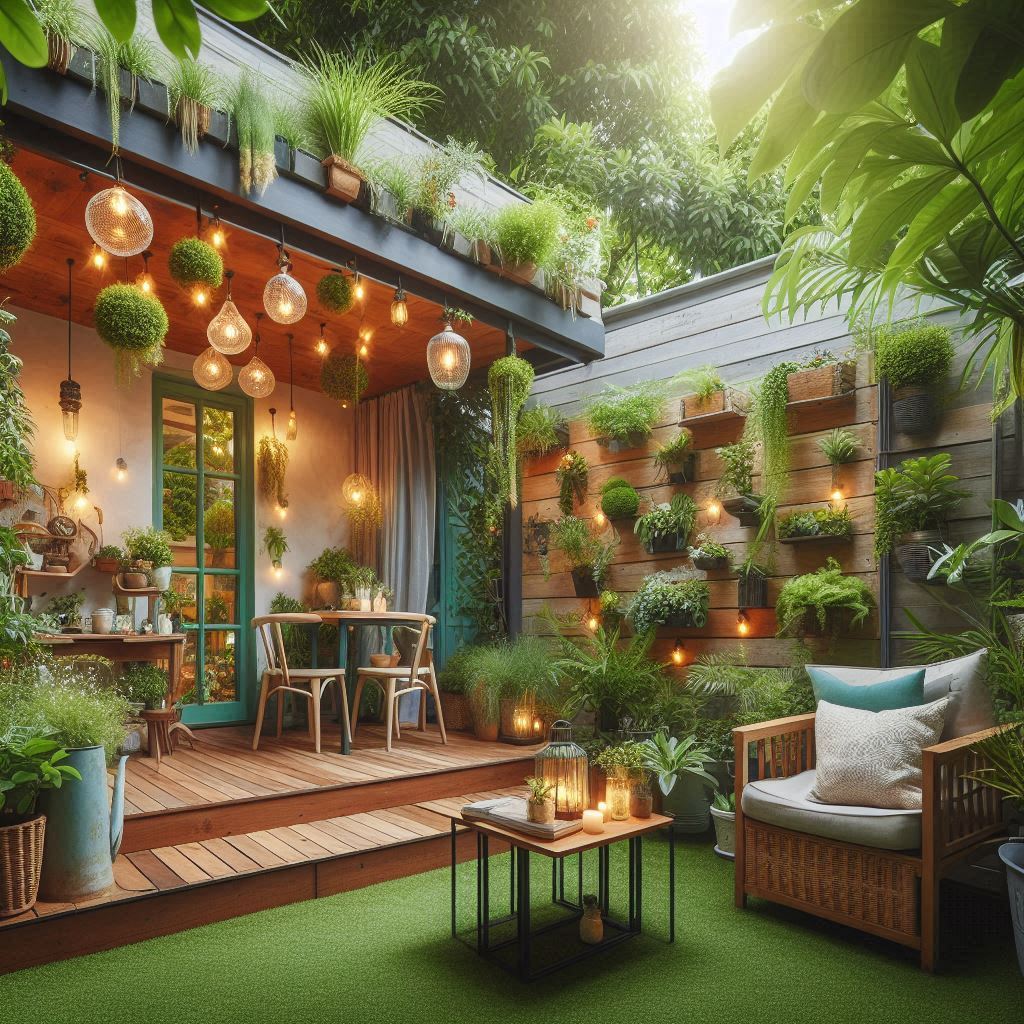
Nothing feels more rewarding than stepping into a lush, fragrant oasis—especially when that haven fits in a compact corner of your yard, balcony, or even a sunny windowsill. Small gardens are proof that size doesn’t limit beauty, productivity, or connection to nature. Whether you live in a sprawling suburban lot in Ontario, a cozy New York City rooftop, or a sun-drenched patio in Arizona, this guide will equip you with expert strategies to dream big and grow green in every square inch.
Read on to discover how to plan, plant, and maintain a high-impact small garden that delights the senses and nurtures the soul.
1. Rethink Constraints as Creative Catalysts
Small gardens demand creativity. What one might see as a limitation—a narrow balcony railing or a postage-stamp backyard—you can transform into an advantage:
- Emphasize vertical space. Climbing vines, tiered planters, and wall-mounted pockets turn blank walls into living tapestries.
- Layer heights strategically. Group tall focal plants, mid-height foliage, and trailing groundcovers to create depth and intrigue.
- Leverage multi-functional furniture. A bench with built-in planters or benches that double as storage frees up floor space.
Seeing constraints as design prompts unlocks inventive solutions that add character and maximize every inch.
2. Define Your Small Garden Vision
Before buying pots or seeds, clarify what you want your garden to do for you:
- Culinary Haven: Grow flavorful herbs (basil, chives, thyme), salad greens, and cherry tomatoes right outside your kitchen door.
- Pollinator Paradise: Fill with bee- and butterfly-attracting blooms like lavender, coneflower, and salvia for ecological impact.
- Sensory Retreat: Combine aromatic herbs, soft foliage (e.g., lamb’s ear), and ornamental grasses for a multi-sensory experience.
- Decorative Accent: Focus on sculptural succulents, colorful annuals, and statement containers to elevate curb appeal.
Your intentional theme guides plant choices, container styles, and maintenance needs—streamlining decisions and boosting satisfaction.
3. Smart Site Evaluation: Light, Wind & Soil
Understanding environmental factors is crucial for small-scale success:
- Sunlight Mapping: Track sunlight patterns over a week. Note full sun (6+ hours), partial sun, or shade zones to match plants to their ideal exposures.
- Wind & Exposure: Rooftop terraces and urban balconies can be wind tunnels. Incorporate wind-tolerant species (ornamental grasses, sedums) or protective screens.
- Soil Testing: For in-ground beds, test pH and nutrient levels. Amend with compost or balanced slow-release fertilizer. Most container mixes are pre-balanced but benefit from occasional feeding.
Accurate site assessment prevents planting mistakes and reduces trial-and-error frustration.
4. Choosing Containers & Raised Beds
Containers are the building blocks of small gardens. Consider these options:
| Container Type | Pros | Cons |
|---|---|---|
| Ceramic or Terra Cotta | Attractive, breathable, stable | Heavier; can dry out quickly |
| Plastic or Fiberglass | Lightweight, affordable, varied shapes | Less breathability; may overheat soil |
| Fabric Grow Bags | Excellent aeration, root pruning | Less durable; frequent watering |
| DIY Recycled Planters | Eco-friendly, budget-friendly | Variable durability, potential leaching |
| Raised Beds (Wood or Metal) | Deep-rooted space, organized layout | Higher initial cost, requires assembly |
Select containers at least 12–18 inches deep for vegetables or shrubs. Ensure all pots have drainage holes to prevent root rot.
5. Soil & Amendments: The Foundation of Health
A small garden thrives on nutrient-rich, well-draining soil:
- Premium Potting Mix: Look for soilless blends with peat moss or coconut coir, perlite, and a slow-release fertilizer.
- DIY Mix: Combine 40% compost, 30% coconut coir or sphagnum peat, 20% perlite, 10% aged pine bark for structure and nutrients.
- Regular Top-Dressing: Each spring, add a 1–2 inch layer of compost to refresh organic matter.
- Liquid Feedings: Alternate fortnightly feedings with fish emulsion or seaweed extract during active growth periods.
Healthy soil accelerates root development, boosts water retention, and supports beneficial microbes.
6. Plant Selection for Maximum Impact
In a small garden, every plant must earn its keep. Mix annuals, perennials, and edibles:
- Compact Vegetables: Dwarf tomatoes, patio peppers, bush beans, and microgreens thrive in containers.
- Herbs & Edibles: Mint (in its own pot to contain spread), rosemary, chives, parsley, lettuce varieties.
- Ornamental Foliage: Heuchera, coleus, caladiums for pops of leaf color without massive footprints.
- Pollinator Magnets: Bee balm, black-eyed Susan, lavender, and butterfly bush varieties suited for containers.
- Year-Round Interest: Incorporate evergreens like dwarf boxwoods or rosemary hedges for winter structure.
Choose cultivars labeled “compact,” “patio,” or “miniature.” They deliver big yields and visual impact in tight quarters.
7. Vertical & Layered Techniques
Elevate your small garden with these vertical strategies:
- Trellises & Arbors: Support vining beans, peas, cucumbers, or climbing roses. Multiply usable space vertically.
- Stacked Planters: Tiered barrels, pyramid shelves, or hanging rail baskets create layered displays.
- Living Walls: Modular panels hold dozens of potted plants—herbs, strawberries, ferns—transforming unused walls or fences.
- Macramé & Hanging Baskets: Suspend trailing petunias, ivy, or strawberries overhead to free up ground space.
Layering draws the eye upward, lending a sense of expansiveness and discovery in compact areas.
8. Efficient Watering & Maintenance
Small gardens can dry out faster, so plan for efficient irrigation:
- Self-Watering Containers: Built-in reservoirs maintain consistent moisture. Ideal for herbs and salad greens.
- Drip Irrigation: Affordable drip line kits target water directly at root zones, reducing waste.
- Mulching: A 1–2 inch cover of bark chips or crushed granite slows evaporation in raised beds.
- Routine Checks: Inspect soil moisture every morning. Water early to minimize midday heat loss.
Keep pruning tools, a moisture meter, and organic pest remedies (neem oil, insecticidal soap) on hand for swift maintenance.
9. Seasonal Strategies & Succession Planting
Extend your gardening season and sustain yields:
- Spring Kick-Off: Sow cool-season crops like kale and spinach in early April (southern Canada) or March (U.S. zones 7–10).
- Summer Rotation: Replace early greens with heat-tolerant basil, eggplant, or peppers.
- Fall Encore: Reseed with radishes, arugula, and mizuna in August for a crisp autumn harvest.
- Winter Protection: Use mini hoop houses or frost cloths to overwinter hardy greens and herbs.
Succession planning keeps the garden productive and ever-changing, maximizing your return on every square foot.
10. Community, Creativity & Eco-Conscious Tips
Make your small garden a local focal point:
- Join neighborhood seed swaps or plant-share events to diversify your collection.
- Host a “tiny garden” showcase on your balcony or front porch during community tours.
- Upcycle materials—wooden pallets, old gutters, teacups—for whimsical containers.
- Collect rainwater in barrels or repurposed bins for sustainable irrigation.
- Start a worm compost bin under your deck to recycle kitchen scraps into black gold.
Collaborating and sharing resources builds community spirit, lowers costs, and reduces environmental impact.
Ready to Grow Your Dream Small Garden?
In just a few steps—site evaluation, container selection, soil preparation, and smart planting—you can turn any modest nook into a thriving, multifunctional green space. Whether you crave fresh herbs for weekly meals, a pollinator-friendly oasis, or a peaceful sensory nook, a small garden proves that big joy can come in compact packages.
University of Maine Extension notes that raised-bed and container gardening can work well in small spaces, and that even apartment and condominium residents can grow vegetables on a patio.
University of Vermont Extension points out that containers can make a great small-space garden, vertical growing adds planting room, and most vegetables need at least 6 to 8 hours of sunlight each day.
More Guides in This Series
Sources
- University of Maine Cooperative Extension. “Container Gardening Series: Gardening in Small Spaces” (Bulletin 2761). https://extension.umaine.edu/publications/2761e/
- University of Vermont Extension. “Gardening in Small Spaces.” https://www.uvm.edu/extension/news/gardening-small-spaces