A healthy garden comes from steady, routine care rather than occasional bursts of work. The basics below apply to most home gardens, from a few beds to a larger plot.
Plant Trees Correctly
Dig a hole about twice as wide as the root ball and no deeper than the root ball. Set the tree so the root flare sits at or slightly above the soil line. Backfill with the native soil, and amend poor soil lightly with compost. Water thoroughly after planting and keep the soil moist for the first season.
Mulch Beds
Apply 2 to 3 inches of organic mulch, keeping it a few inches away from trunks and stems. Mulch conserves moisture and suppresses weeds.
Water Deeply
Water less often but more deeply to encourage deep roots. Check soil moisture before watering, and water early in the day when possible.
Feed Based on a Soil Test
A soil test shows what your soil needs. Many gardens need less fertilizer than gardeners assume. Your state university extension office can explain how to submit a sample.
Prune at the Right Time
Prune spring-flowering shrubs right after they bloom. Prune most trees during dormancy, except where disease risk makes a different timing better.
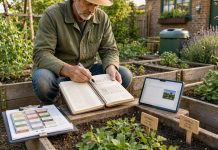
Keep Records
Note planting dates, weather, and problems. Over a few seasons, the notes show what works in your yard.