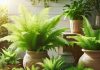
Gardening offers countless benefits — from physical activity and outdoor relaxation to the joy of growing your own fresh produce. Building garden boxes is a smart way to make gardening easier, more accessible, and more efficient, especially when space is limited.
Garden boxes improve drainage, control soil quality, reduce weeding, protect against pests, and add beautiful structure to any yard. Whether you’re a beginner or an experienced gardener looking for design inspiration, this guide will walk you through everything you need — materials, layout, tools, and expert tips.
Raised Garden Bed Ideas for Vegetables
Raised beds are increasingly popular among gardeners. According to the National Gardening Association, more than half of American households now grow their own vegetables or herbs in raised beds. These structures promote healthy roots, improve drainage, and make garden maintenance more comfortable.
When constructing a raised bed, consider size, shape, and depth. The ideal height is 12–18 inches, which allows roots to expand easily while maintaining soil structure. Choose rot-resistant wood such as cedar or recycled plastic lumber for durability.
➡️ For a clear step-by-step guide, visit How to Construct a Raised Bed in the Garden – Penn State Extension.
Creative layouts such as circles, L-shapes, or multi-tiered beds make efficient use of space and bring visual interest to your garden.
DIY Raised Garden Bed Ideas
Building your own raised bed can be simple and affordable. Keep these key tips in mind:
1️⃣ Size and Shape – Choose dimensions that fit your space and needs.
2️⃣ Materials – Cedar, composite, or treated pine offer strength and longevity.
3️⃣ Elevation – Adjust height for accessibility.
4️⃣ Drainage – Drill base holes or add gravel for proper water flow.
5️⃣ Maintenance – Plan for seasonal weeding, mulching, and soil replenishment.
➡️ Learn more about construction techniques from Building Raised Beds – University of Florida Gardening Solutions.
Tools Required for Building
Building a garden box doesn’t require advanced carpentry skills — just basic tools and a little planning:
-
Power drill for fastening boards
-
Hammer and nails or screws
-
Level to ensure the box is even
-
Saw for cutting boards to size
Once your tools are ready, move on to designing and positioning your bed.
Design Considerations
Before construction, think about the visual and functional goals of your garden box:
-
Dimensions: Match the box size to your plant needs and space availability.
-
Placement: Choose a location with at least 6 hours of sunlight per day.
-
Aesthetics: Straight or curved corners, modern or rustic — pick a style that complements your space.
Location and Size
Choose a sunny, well-drained area protected from strong winds. If the soil below is compacted, elevate your bed or add gravel to enhance drainage. Remember: larger boxes provide more growing space, but smaller ones are easier to manage.
Steps to Build Garden Boxes
1️⃣ Cut four boards to your desired size.
2️⃣ Pre-drill holes at each corner and screw the boards together.
3️⃣ Line the bottom with landscape fabric for drainage.
4️⃣ Fill with quality soil and compost mix.
5️⃣ Level the surface, water lightly, and prepare for planting.
Drainage and Finishing Touches
To prevent waterlogging, drill small holes at the base or add a layer of gravel. Sand and seal your wooden box with a water-based outdoor sealant. If you prefer a splash of color, paint the exterior using weather-resistant paint to protect against moisture and UV damage.
Filling and Planting
Fill with a balanced soil mixture — compost, potting mix, and perlite or sand for aeration. Choose vegetables and herbs that thrive in raised beds, such as lettuce, radishes, carrots, basil, and parsley. Maintain spacing between plants to ensure good airflow and prevent disease.
Maintenance Tips
-
Water deeply once per week.
-
Mulch regularly to retain moisture and reduce weeds.
-
Fertilize lightly with organic compost or a slow-release blend.
-
Inspect plants frequently for pests and diseases.
Inexpensive Garden Bed Ideas
Building garden boxes doesn’t have to be expensive. Repurpose common materials like:
-
Old wooden pallets
-
Recycled barrels or crates
-
Concrete blocks or stones
➡️ For creative, budget-friendly inspiration, check How to Build a Raised Garden Bed – Fine Gardening.
Conclusion
Building garden boxes combines creativity, sustainability, and practicality. With proper design, durable materials, and consistent care, you can enjoy thriving plants and homegrown produce all year long. From vegetables to herbs and flowers, garden boxes transform outdoor spaces into productive, beautiful sanctuaries.