Growing Melons – Get Sweet Satisfaction
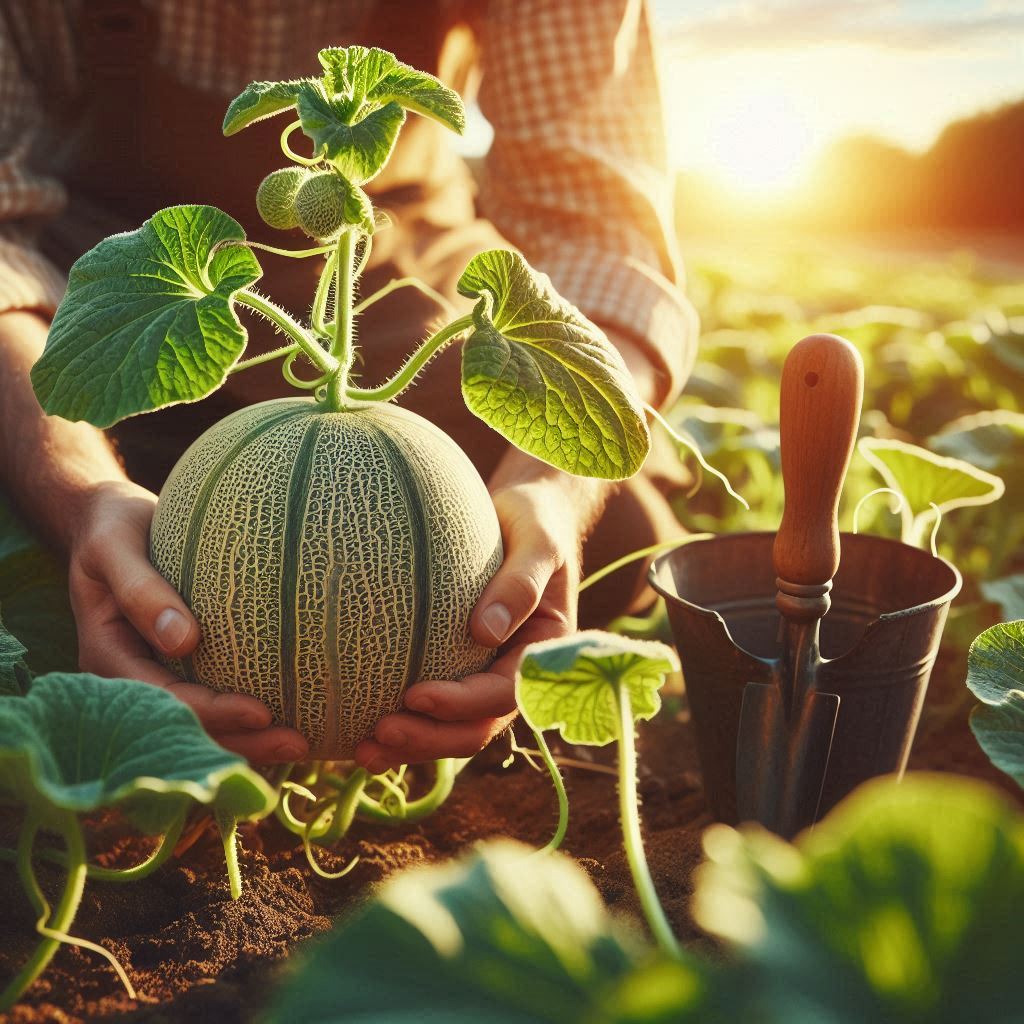
There’s nothing quite like biting into a juicy, sweet melon on a hot summer day, especially when it comes from your garden. Growing melons can be a rewarding experience, providing you with delicious fruits and a sense of accomplishment. In this blog post, we’ll guide you through growing melons, from selecting the right variety to harvesting your bounty. Let’s get started on your journey to sweet satisfaction!
Selecting the Right Melon Variety
Before you begin, choosing the right melon variety for your garden is important. Here are a few popular options:
- Cantaloupe: Known for its sweet, orange flesh and netted skin, cantaloupes are a favorite among gardeners.
- Watermelon: With its juicy, refreshing taste, watermelon is a summer staple. Varieties range from the classic red-fleshed types to yellow and seedless options.
- Honeydew: This smooth-skinned melon has sweet, green, or orange flesh and is perfect for adding to fruit salads.
- Galia: A hybrid between cantaloupe and honeydew, Galia melons have a sweet, aromatic flavor and smooth skin.
Preparing Your Garden
Melons thrive in warm, sunny conditions and well-draining soil. Here’s how to prepare your garden for a successful melon crop:
- Choose a Sunny Spot: Melons need at least 6-8 hours of direct sunlight daily. Select a sunny, sheltered spot in your garden.
- Soil Preparation: Melons prefer sandy loam soil with a pH of 6.0-6.8. Amend your soil with compost or well-rotted manure to improve fertility and drainage.
- Planting: Sow melon seeds directly into the ground after the last frost date, or start seeds indoors 4-6 weeks before the last frost. Space seeds 18-24 inches apart in rows, with 4-6 feet between rows.
Planting and Care
Once your garden is prepared, it’s time to plant and care for your melon plants:
- Watering: Melons need consistent moisture, especially during flowering and fruiting. Water deeply once a week, ensuring the soil stays moist but not waterlogged.
- Mulching: Apply a layer of mulch around your plants to conserve moisture, suppress weeds, and regulate soil temperature.
- Fertilizing: Feed your melon plants with a balanced fertilizer every 4-6 weeks during the growing season. Avoid high-nitrogen fertilizers, as they can promote leafy growth at the expense of fruit development.
- Training and Pruning: Train melon vines to grow along trellises or provide ample space for them to sprawl on the ground. Prune side shoots to encourage larger fruit production.
Pest and Disease Management
Melons can be susceptible to pests and diseases. Here are some common issues and how to address them:
- Aphids: These small, sap-sucking insects can be controlled with insecticidal soap or neem oil.
- Cucumber Beetles: These pests can transmit bacterial wilt. Use row covers to protect young plants and remove beetles by hand.
- Powdery Mildew: A fungal disease that appears as a white, powdery coating on leaves. Improve air circulation, avoid overhead watering, and treat with fungicides if necessary.
- Anthracnose: A fungal disease that causes dark spots on leaves and fruit. Rotate crops, use resistant varieties, and apply fungicides as needed.
Harvesting Melons
Knowing when to harvest your melons is key to enjoying their full flavor:
- Cantaloupe: Harvest when the fruit easily separates from the vine (full slip stage) and has a sweet aroma.
- Watermelon: Look for a yellow spot on the underside of the fruit and a hollow sound when tapped.
- Honeydew: Harvest when the skin turns a creamy color and the fruit feels slightly soft to the touch.
Conclusion
Growing melons can be a gratifying experience, providing you with delicious, homegrown fruits and a sense of accomplishment. You can enjoy sweet satisfaction from your melon harvest by selecting the right variety, preparing your garden, and following proper care techniques. Happy gardening!