Michigan Planting Zone: Understanding Growing Seasons and Best Plants to Grow

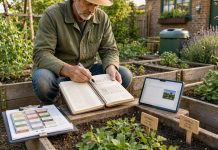
If you’re planning to start a garden in Michigan, understanding the planting zone is crucial. Michigan has a diverse climate, which means that different regions have different growing seasons and require different plants to thrive.
In this article, we’ll take a closer look at the Michigan planting zone, its characteristics, and the best plants to grow in each region.
What is a Planting Zone?
Before we dive into the specifics of Michigan’s planting zone, let’s first define what a planting zone is. A planting zone, also known as a hardiness zone, is a geographical region where certain plants are capable of growing based on the average minimum winter temperatures. The United States Department of Agriculture (USDA) developed a map that divides the country into 13 planting zones, with each zone having a temperature range of 10 degrees Fahrenheit.
Michigan Planting Zones
Michigan is located in the Great Lakes region of the United States and is known for its diverse climate. The state has four distinct planting zones, ranging from Zone 3a in the Upper Peninsula to Zone 6b in the southernmost part of the state. Here’s a breakdown of each zone and its characteristics:
Zone 3a
Zone 3a is the coldest planting zone in Michigan, with an average minimum winter temperature of -40 to -35 degrees Fahrenheit. This zone covers the Upper Peninsula’s northern part, where winter lasts for almost six months. Some of the best plants to grow in this zone include:
- Blueberries
- Rhubarb
- Carrots
- Potatoes
- Cabbage
Zone 4a
Zone 4a has an average minimum winter temperature of -30 to -25 degrees Fahrenheit. This zone covers parts of the Upper Peninsula and northern Michigan, where winter lasts for about five months. Some of the best plants to grow in this zone include:
- Apples
- Pears
- Peaches
- Cherries
- Raspberries
Zone 5a
Zone 5a has an average minimum winter temperature of -20 to -15 degrees Fahrenheit. This zone covers most of the lower peninsula’s northern part and has a growing season of about four months. Some of the best plants to grow in this zone include:
- Tomatoes
- Sweet corn
- Green beans
- Peppers
- Lettuce
Zone 6b
Zone 6b is the warmest planting zone in Michigan, with an average minimum winter temperature of -5 to 0 degrees Fahrenheit. This zone covers the southernmost part of the state, where the growing season lasts for about six months. Some of the best plants to grow in this zone include:
- Blueberries
- Grapes
- Melons
- Peaches
- Pumpkins

Leveraging Michigan’s Growing Seasons
Understanding Michigan’s growing seasons is vital for planning and maintaining a successful garden.
Spring
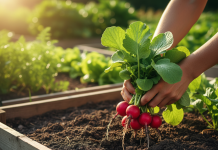
Spring heralds the beginning of the growing season, typically starting in April for southern regions and May for northern areas. As temperatures rise and frost subsides, it’s prime time for planting cool-season crops like lettuce, peas, and radishes.
Summer
Summer in Michigan offers ample sunshine and warmth, ideal for a vast array of crops. From tomatoes and peppers to squash and corn, the possibilities are endless during this abundant season.
Fall
As temperatures cool in fall, Michigan’s growing season gradually winds down. However, cool-season vegetables like kale, carrots, and broccoli thrive in the crisp autumn air, providing a bountiful harvest.
Winter
Michigan’s winters can be harsh, but indoor gardening presents opportunities to continue cultivating plants. Herbs like parsley and basil flourish indoors, offering fresh flavors even in the coldest months.
Selecting the Best Plants for Michigan
Choosing the right plants is essential for a successful garden in Michigan’s diverse climate.
Perennials
Perennials are a wise investment, returning year after year with minimal maintenance. Options like hostas, daylilies, and black-eyed Susans thrive in Michigan’s varying conditions.
Annuals
Annuals inject vibrant colors into your garden, perfect for seasonal flair. Consider marigolds, petunias, and zinnias for a pop of color throughout the growing season.
Vegetables
Growing your vegetables ensures freshness and quality in your meals. Opt for hearty vegetables like potatoes, cabbage, and onions that can withstand Michigan’s fluctuating temperatures.
Fruits
Michigan is renowned for its delicious fruits, including apples, cherries, and blueberries. Planting fruit trees or bushes adds both beauty and functionality to your garden space.

Tips for Gardening in Michigan
Now that you have a basic understanding of Michigan’s planting zones let’s look at some tips for gardening in the state:
1. Know your soil
Michigan has different types of soil, ranging from sandy to clay. Knowing your soil type can help you determine which plants will thrive in your garden.
2. Pay attention to sunlight
Most plants need at least six hours of sunlight per day to grow. Pay attention to how much sunlight your garden gets and choose plants that are suitable for the amount of sunlight.
3. Start seeds indoors
Michigan’s growing season is relatively short, so starting seeds indoors before planting them outside can help extend the growing season.
4. Use mulch
Mulch can help regulate soil temperature and moisture, which is essential in Michigan’s fluctuating climate.
5. Choose plants that are suitable for your zone
Select plants that are suitable for your planting zone to ensure that they can survive the winter and thrive in your garden.
Conclusion
In summary, understanding Michigan’s planting zone is crucial for successful gardening in the state. With four distinct planting zones, each with its characteristics, it’s essential to select plants that are suitable for your region. By following the tips for gardening in Michigan, you can create a beautiful and thriving garden that will provide you with fresh produce all year round.
FAQs
-
What is the warmest planting zone in Michigan?
- The warmest planting zone in Michigan is Zone 6b, which covers the southernmost part of the state.
-
Can you grow tomatoes in Michigan?
- Yes, tomatoes can be grown in Michigan, especially in Zone 5a, where the growing season lasts for about four months.
-
What plants can grow in Zone 3a?
- Some of the best plants to grow in Zone 3a include blueberries, rhubarb, carrots, potatoes, and cabbage.
-
What should I do to prepare my garden for winter in Michigan?
- To prepare your garden for winter in Michigan, remove any dead plant material, add mulch to protect the soil, and cover sensitive plants with burlap or other protective material.
-
Can I grow peaches in Michigan?
- Yes, peaches can be grown in Michigan, especially in Zone 4a, which covers parts of the Upper Peninsula and northern Michigan.
Read More: Planting a Garden