Grass is the simplest way to soften a hard outdoor space. It cools the ground, catches the light, and makes a patio, balcony, or backyard feel finished. Many people think of grass only as a lawn, but there are several types of grass and grass-like plants suited to different spaces, and the right choice depends on sun, foot traffic, and how much care you want to give.
Choose the Right Grass for the Job
Turf grasses such as tall fescue and Kentucky bluegrass suit lawns that get regular use, while fine fescues tolerate shade and need less feeding. Zoysia and Bermuda are common in warmer regions and handle heavy wear well. For a fine, refined look, ornamental grasses in the Festuca family form low, neat clumps that need little mowing.
Clover and dichondra are low-growing alternatives that stay green with less water and feeding. They are popular in small spaces and where a traditional lawn would struggle. Check their tolerance to foot traffic before choosing them for a play area.
Grass on a Balcony or Patio
Grass can work on a balcony, but the container must be deep enough for the roots and have excellent drainage. Use a lightweight potting mix rather than garden soil, since soil compacts in containers and holds too much water. Check the weight limit of the balcony before you add soil and water, and keep containers away from the railing edge if the structure is limited.
Water balcony grass more often than a ground lawn, especially during heat waves. Potted grass dries out quickly, so check the soil daily in summer. Feed lightly through the growing season, because containers lose nutrients with each watering.
Grass in a Backyard
For a backyard, prepare the ground well before planting. Remove weeds and debris, loosen compacted soil, and add a layer of compost. Level the surface gently so water does not pool. Sow seed or lay sod in the right season for your grass type, and keep the new lawn evenly moist until the roots are established.
Plan the edges too. Clean borders and a sharp edge make a grass area look intentional, and they stop the lawn from spreading into beds. Stepping stones or a path through the grass make it easier to use in wet weather.
Combining Grass With Plants
Grass looks its best when it is combined with flowering plants. Add a few shrubs or perennials around the edges, and choose plants in one or two colors so the space feels cohesive. Ornamental grasses in the middle of a lawn create movement, and they need less water than turf once established.
Lighting and Other Touches
Lighting can extend the use of a grassy space into the evening. Fairy lights and low-voltage path lights add warmth, but keep the lighting modest so the space stays relaxing rather than busy. A simple bench or a few cushions give the grass a place to be used.
Maintenance That Keeps Grass Looking Good
Mow at the right height for your grass type, and never remove more than a third of the blade at one time. Water deeply and infrequently to encourage deep roots. Feed in the seasons when your grass grows most actively, and aerate compacted areas when needed. Check for weeds and pests regularly, since problems spread quickly in dense turf.
Choosing an Approach for Your Space
For a small balcony, a container of clover or a compact fine grass is a manageable choice. For a patio, a few planters of ornamental grass or a strip of clover between pavers can soften the space. For a larger yard, a well-prepared lawn with defined beds gives the most flexible results. Match the choice to how you will use the space and how much time you want to spend on it.
Final Thoughts
Grass can transform a hard, bare space into a comfortable outdoor room. Choose the type that suits your light and traffic, prepare the ground or container properly, and maintain it steadily. A well-kept patch of green makes a surprising difference to how you feel about the outdoors.
Seed or Sod: Which to Choose
Seed is the cheaper option and gives you a wider choice of grass types, but it takes longer to establish and needs careful watering for several weeks. Sod gives an instant green result and reduces erosion on slopes, though it costs more and must be laid promptly on well-prepared soil. Both work well when the seedbed or the soil underneath is prepared properly.
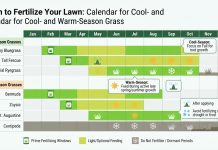
Plant in the season that suits your grass. Cool-season grasses do best in early autumn or spring, while warm-season grasses establish better in late spring and summer. Planting at the wrong time often leads to thin, patchy results, however good the care.
Shade and Difficult Spots
Many lawns struggle under trees or on the north side of a house, where light is limited. Fine fescues tolerate partial shade better than most turf types, and some groundcovers do well where grass will not thrive. Consider raising the mowing height in shady areas, since taller blades capture more light.
Tree roots compete for water and nutrients, so grass under trees needs extra care. Avoid heavy traffic in those areas, and do not pile soil or mulch against the trunk, which can damage the bark and roots.
Soil Preparation and Testing
A simple soil test shows pH and nutrient levels. Most grasses prefer slightly acidic to neutral soil, and a test tells you whether lime or fertilizer is needed before planting. Good soil is the single most important factor in a healthy grass area, and it is worth doing the work at the start.
Loosen compacted soil to a depth of several inches, then rake out stones and roots. Work in compost where the soil is poor, and grade the surface so water flows away from the house and does not collect in low spots.
Budgeting and Planning
The cost of a grass area depends on size, materials, and whether you do the work yourself. Seed costs less than sod, while container planting and a small lawn can be inexpensive to start. Plan the project in stages if the budget is limited, starting with the area used most often.
Watering Strategy
New grass needs frequent light watering until the seedlings or sod roots are established, often for two to four weeks. After that, switch to deeper, less frequent watering so the roots grow down. Water in the early morning to reduce evaporation and disease, and adjust for rainfall so the lawn does not stay soggy.
Care for Balcony and Patio Plantings
Check the weight of soil, water, and containers before adding them to a balcony, and keep the total within the building’s limits. Empty excess water from saucers so the roots do not sit in standing water. Rotate containers occasionally so the grass grows evenly in the light.