Why You Should Use Grow Bags in Your Garden
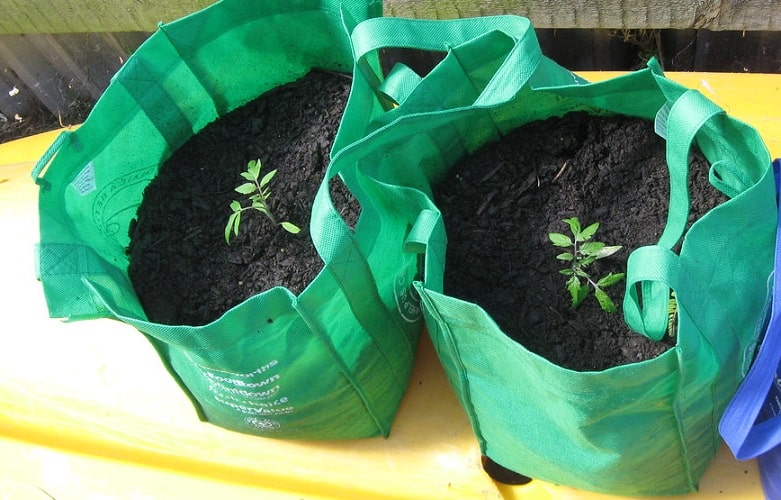
If you’re a garden enthusiast, you will find a good chance one of your friends has mentioned they use grow bags. Or perhaps you’ve seen them demonstrated on TV. Now, you’re thinking it’s about time you checked them out. Grow bags can be very beneficial and make planting and growing nearly any plant a lot easier.
To punch things off, an increased bag is merely what the name suggests: a bag that you fill with soil and then develop your plants in.
They will are normally made from pretty thick fabric to hold the plant and soil together, but the fabric is also breathable. They come in lots of different shapes, heights, and sizes to get them to better cater to your specific use case.
Reasons Why you Should Consider Using grow Bags
Grow bags are a popular alternative to traditional gardening methods that come with a variety of benefits. Here are some reasons why you should consider using grow bags in your garden:
- Better drainage: Grow bags are made of breathable fabric that allows excess water to drain through easily, preventing overwatering and waterlogged soil. This makes them ideal for plants that are susceptible to root rot, such as succulents.
- Improved aeration: Grow bags promote better air circulation to plant roots, which can help to prevent fungal and bacterial diseases that thrive in stagnant, moist environments.
- Lightweight and portable: Grow bags are lightweight and easy to move, making them a convenient option for gardeners who want to relocate their plants as needed. They are also ideal for urban gardeners or those with limited outdoor space.
- Better temperature control: The breathable fabric of grow bags allows roots to stay cooler in hot weather, which is especially important for plants that are sensitive to high temperatures. The bags also offer some insulation during cooler weather, helping to protect roots from frost damage.
- No transplant shock: When it’s time to transplant your plants, there is no need to remove them from the grow bag. Simply move the entire bag to the new location and continue growing without causing any stress or shock to the plant’s root system.
- Reduced soil compaction: Over time, soil in traditional planters can become compacted, which can limit the plant’s access to essential nutrients and water. Grow bags help to prevent this by promoting healthy root growth and preventing soil compaction.
In summary, using grow bags in your garden can provide many benefits, including improved drainage and aeration, portability, better temperature control, reduced soil compaction, and a stress-free transplanting process.
Read More: Growing Hollyhock Flowers (Alcea) In Backyard
Why Grow in Grow Bags for Vegetables?
Since grow bags are made of breathable fabric, they provide far superior aeration and draining functions as compared to traditional pots and containers.
Grow Bag Tree in your Home Garden
In fact, this is the most distinct advantage grow bags own over various other growing storage containers. Plastic and ceramic pots present a constrained environment. Add to this, less-than-ideal aeration, the rose signals itself to produce more roots, which results in a root-bound plant.
Many times, the plant winds up dying since the mass of the root base fills the container with nowhere else to increase too.
Root bounding does not happen when growing bags are used. When the roots eventually reach the inner walls of the bag, it interacts with the bag in such a way that the wall simply falls off, allowing the roots to produce new roots that branch healthily outwards.
Normally, this is referred to as air-pruning and is a simple way to ensure your plants are always healthy.
Read More: VIVOSUN 5-Pack 5 Gallon Grow Bags Review
Read More: 10 Beautiful Garden World Centers in Delaware
Fabric grow bags change how roots grow. University of Maryland Extension notes that their porous sides cause air pruning, producing a denser, more fibrous root system, and describes them as relatively inexpensive, reusable and lightweight. Rutgers Master Gardeners point out that it is hard to overwater a grow bag, but the soil can dry out quickly, so check moisture often, and suggest at least a 5-gallon bag for one plant such as a tomato or pepper.
Related Guides
- Best Vegetable Garden Layout Ideas and Designs
- The Ultimate Square Foot Gardening Chart
- How to Grow Your Own Indoor Vegetable Garden