To grow San Marzano tomatoes, start seeds indoors 6–8 weeks before your last frost, transplant into full sun once nights stay above 55°F, and give these tall, usually indeterminate plants sturdy 5–6 ft support, 1–1.5 inches of water a week, and steady feeding. Expect your first ripe, long plum tomatoes roughly 75–90 days after transplanting.
San Marzano is the classic Italian paste tomato: thick-walled, meaty, with few seeds and low moisture, which makes it ideal for sauce, canning, and roasting. This guide walks you through every step, from seed to harvest, in the ground or in containers. For more crops, browse our vegetable and fruit growing guides.

San Marzano Tomato at a Glance
| Trait | Details |
|---|---|
| Type | Heirloom, open-pollinated paste (plum) tomato |
| Growth habit | Usually indeterminate; some seed companies sell shorter “determinate” strains |
| Days to maturity | About 75–90 days from transplant (varies by strain and climate) |
| Fruit | Elongated plum shape, about 3 in long, roughly 3–6 oz, often in clusters |
| Plant height | Commonly 6–8 ft when staked; compact strains sold by some seed companies stay shorter |
| Sun | Full sun, at least 6–8 hours a day |
| Soil pH | 6.2–6.8 |
| Spacing | 18–24 in if staked and pruned; about 3 ft if caged or sprawling |
| Water | 1–1.5 in per week, more in hot, dry weather |
| Germination temperature | 70–90°F soil; sprouts in about 5–10 days |
Determinate or indeterminate? Traditional San Marzano is indeterminate: it keeps growing and producing until frost. However, several US seed companies sell compact strains labeled determinate or “short vine.” Check your seed packet, because it changes how much support and pruning you need. If you’re unsure what the terms mean, see indeterminate vs determinate tomato plants.

San Marzano vs Roma and Other Paste Tomatoes
| Variety | Habit | Fruit | Best for |
|---|---|---|---|
| San Marzano | Usually indeterminate | Long, slender plum, thick walls, few seeds | Sauce, canning, roasting over a long season |
| Roma | Determinate | Shorter, egg-shaped plum | Big harvests at once for canning; compact gardens |
| San Marzano Redorta | Indeterminate | Larger fruit (roughly 8–12 oz) | Gardeners who want bigger paste tomatoes |
| San Marzano Lungo | Indeterminate | Medium, elongated plum | Traditional sauce tomatoes |
San Marzano was one of the parents of the original Roma tomato, which explains their similarity. If you want a bushier, easier plant for containers, read our guide to growing Roma tomatoes in pots.
What does “D.O.P.” mean on San Marzano cans?
Canned tomatoes labeled “Pomodoro San Marzano dell’Agro Sarnese-Nocerino D.O.P.” are grown in a protected area of southern Italy (parts of the provinces of Naples, Salerno, and Avellino) under strict rules: the production area covers 41 municipalities, the plants are grown upright on poles and wires, and fresh fruit for peeling must be 60–80 mm long with the typical elongated shape. Tomatoes you grow from San Marzano seed at home are the same type of tomato, but only certified fruit from that region can carry the D.O.P. name.
Planting Calendar
Use your average last frost date as the anchor. You can find your zone on the USDA Plant Hardiness Zone Map; your local extension office can give you typical frost dates.
| Timing | Task |
|---|---|
| 6–8 weeks before last frost | Sow seeds indoors, 1/4 in deep, on a warm surface (70–90°F) |
| Once seedlings sprout | Give 14–16 hours of bright light; keep air at 65–75°F |
| When the first true leaves appear | Move seedlings to individual 3–4 in pots |
| 7–10 days before transplanting | Harden off outdoors, increasing sun and wind exposure daily |
| 1–2 weeks after last frost | Transplant when nights stay above 55°F and soil is at least 60°F |
| Early summer | Mulch, set up irrigation, start regular feeding once fruit sets |
| Midsummer to frost | Harvest every few days as fruit ripens |
Step 1: Start San Marzano Seeds Indoors
Peat pellets, coir pellets, or small cells filled with seed-starting mix all work well. Moisten the medium, plant two seeds per cell 1/4 inch deep, and keep it evenly moist but not soggy. A seedling heat mat speeds germination; most seeds sprout in 5–10 days in warm conditions.


After sprouting, move seedlings under grow lights placed a few inches above the leaves, or into your sunniest window. Leggy, pale seedlings mean they need more light. Thin to the strongest seedling per cell by snipping the other at soil level.

Step 2: Prepare the Planting Site
- Sun: choose the sunniest spot you have. In very hot regions, light afternoon shade can help prevent sunscald and stalled ripening.
- Soil: loose, well-drained soil rich in organic matter, with a pH of 6.2–6.8. Mix 2–3 inches of compost into the top 6–8 inches. Learn more about soil types and amendments.
- Rotation: avoid planting where tomatoes, peppers, eggplant, or potatoes grew in the last 2–3 years to reduce soil-borne disease.
- Support: install stakes or cages before planting so you don’t damage roots later.
Step 3: Transplant Outdoors
Tomatoes can grow roots along their buried stems, so plant deeply. Remove the lower leaves and bury about two-thirds of the stem, or lay a leggy seedling sideways in a trench with only the top leaves above ground. Water well after planting.

Night temperatures matter. Penn State Extension notes that tomato flowers often drop when nights fall below about 55°F or stay above about 75°F, so transplanting too early rarely gains you anything.
Growing San Marzano tomatoes in containers
San Marzano grows well in containers if you give it room. Use a pot of at least 5 gallons, and preferably 10 gallons or more for tall indeterminate plants, with drainage holes and a quality potting mix (not garden soil). Container plants dry out quickly, so check moisture daily in summer, and feed more often because nutrients wash out with frequent watering. A strong cage or a stake anchored outside the pot keeps the plant from tipping.
Step 4: Stake, Cage, or Trellis
| Method | How to do it | Pros / cons |
|---|---|---|
| Stakes | 6–8 ft stakes driven about 12 in deep; tie the stem every 8–12 in with soft ties | Saves space, good airflow; needs regular tying and pruning |
| Cages | Sturdy 5–6 ft cages with openings large enough to reach through (about 6 in) | Less work; flimsy store cages often collapse under indeterminate plants |
| Florida weave | Stakes every 2–3 plants with twine woven between them as plants grow | Efficient for rows; needs new twine every 8–10 in of growth |
Compare options in our guide to the best vegetable and tomato cages.
Pruning
On staked indeterminate plants, removing some side shoots (suckers) improves airflow and channels energy into fewer, larger fruits. Caged plants need less pruning. Remove leaves touching the soil to reduce splash-borne disease. Our guide to tomato suckers shows exactly which shoots to remove.
Step 5: Water and Mulch
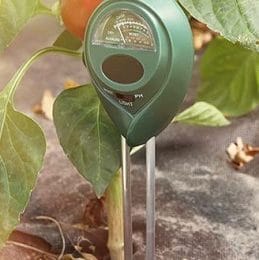
Consistent moisture is the single most important factor for paste tomatoes. Aim for 1–1.5 inches of water per week, applied at the base of the plant, ideally by drip line or soaker hose. Deep watering two or three times a week is better than a light sprinkle every day. A 2–3 inch layer of straw or shredded leaves keeps soil moisture even and reduces soil splash onto leaves. For more detail, see our guide to garden watering methods and how much is enough.
Step 6: Fertilize
Without a soil test, Penn State Extension suggests working about 2–3 lb of a balanced 10-10-10 fertilizer into each 100 square feet before planting. Once the first fruits are about the size of a golf ball, side-dress lightly every 3–4 weeks. Avoid heavy nitrogen, which produces lush leaves and fewer tomatoes and can contribute to blossom end rot. Follow label rates for any product. Our roundup of fertilizers for vegetable gardens compares options.
Common Problems and Fixes
| Symptom | Likely cause | Fix |
|---|---|---|
| Dark, sunken patch on the bottom of fruit | Blossom end rot (calcium not reaching the fruit, usually from uneven watering) | Water consistently, mulch, avoid excess nitrogen; test soil and add lime or gypsum only if calcium is actually low. |
| Flowers drop without fruit | Nights below ~55°F or above ~75°F, or very hot days | Be patient; fruit set resumes when temperatures moderate. |
| Brown spots with rings on lower leaves | Early blight or other leaf spot | Remove affected leaves, mulch, water at the base, and rotate crops. |
| Cracked fruit | Heavy watering or rain after a dry spell | Keep moisture even; pick fruit that is nearly ripe before heavy rain. |
| Fruit stays green for weeks | Heat above about 85°F slows red color development | Pick at first blush and ripen indoors at room temperature. |
| Lots of leaves, few fruits | Too much nitrogen or too little sun | Stop nitrogen feeding; make sure plants get 6–8 hours of sun. |
| Curled, distorted leaves | Heat stress, aphids, or herbicide drift | Check leaf undersides for pests; avoid spraying weed killers nearby. |

Blossom end rot is common in paste tomatoes. The University of Wisconsin Extension notes that calcium sprays are sometimes suggested but results are not guaranteed; steady watering is the most reliable prevention.
Harvesting and Storing
Pick San Marzano tomatoes when they are fully red and give slightly to gentle pressure. Twist or snip them off with a short piece of stem. Store ripe tomatoes at room temperature out of direct sun and use them within about a week; refrigeration dulls flavor and texture. For sauce, harvest in batches and freeze whole tomatoes until you have enough to cook down.
Saving seeds
Because San Marzano is open-pollinated, you can save seeds from your best fruits. Scoop the seeds into a jar with a little water, let them ferment for a few days, rinse, and dry them thoroughly before storing. To keep the variety true, grow it some distance from other tomato varieties.
Frequently Asked Questions
How long do San Marzano tomatoes take to grow?
Most strains produce ripe fruit about 75–90 days after transplanting, which means roughly 4 months or more from seed when you include the indoor seedling stage.
How tall do San Marzano tomato plants get?
Indeterminate strains commonly reach 6–8 feet with support. Compact or determinate strains stay shorter, so check the seed packet.
How many tomatoes does one San Marzano plant produce?
Yields vary with climate and care. Growing guides commonly report around 10 pounds or more per healthy plant over a full season.
Can I grow San Marzano tomatoes in pots?
Yes. Use a container of at least 5 gallons, ideally 10 or more, with strong support and daily moisture checks in summer.
Why are my San Marzano tomatoes rotting on the bottom?
That is blossom end rot, a calcium problem in the fruit usually caused by uneven watering. Water consistently and mulch; affected fruit can be removed, and later fruit is often fine.
Are homegrown San Marzano tomatoes the same as D.O.P. San Marzano?
They are the same tomato type, but the D.O.P. label is reserved for certified tomatoes grown and packed in a specific area of southern Italy.
Related Guides
Sources
- Penn State Extension, Tomatoes: From Seedlings to Fruit (soil pH, 10-10-10 rate without a soil test, blossom drop temperatures, spacing, stakes, cages, watering, mulch).
- Official product specification, Pomodoro S. Marzano dell’Agro Sarnese-Nocerino PDO (production area, growing on poles, fruit length and shape).