Tropical flowers are plants from frost-free regions, such as hibiscus, bird of paradise, orchids, plumeria, anthurium, bougainvillea and heliconia, known for big, bright blooms and lush foliage. In the United States most of them survive outdoors year-round only in USDA zones 10–11 (a few take zone 9), but gardeners anywhere can grow them in containers and bring them inside before the first frost.
This guide covers 15 popular types of tropical flowers, with a comparison table of zones, light, bloom season, indoor suitability and pet safety, followed by practical advice on containers, overwintering, care and common problems.

Tropical Flowers at a Glance: Comparison Table
Zones are USDA hardiness zones where the plant can stay in the ground all year. Pet notes come from the ASPCA Toxic and Non-Toxic Plants database; “No ASPCA entry found” means we could not find the plant in that database, not that it is proven safe.
| Flower | Botanical name | USDA zones outdoors | Light | Bloom season | Grow indoors? | Pet notes (ASPCA) |
|---|---|---|---|---|---|---|
| Tropical hibiscus | Hibiscus rosa-sinensis | 9–11 | Full sun to part shade | Warm months; year-round in frost-free areas | Yes, in a sunny window over winter | ASPCA’s hibiscus entry (H. syriacus) is non-toxic to dogs, cats and horses |
| Bird of paradise | Strelitzia reginae | 10–11 | Full sun to high, shifting shade | Mainly spring and summer, sporadic all year | Yes, but needs very bright light to bloom | Toxic to dogs, cats and horses (mild GI upset, mainly fruit and seeds) |
| Moth orchid | Phalaenopsis spp. | Frost-free areas only; usually grown indoors | Bright, indirect light | Typically winter to spring indoors | Yes, one of the easiest | Non-toxic to dogs, cats and horses |
| Plumeria (frangipani) | Plumeria rubra | 10–12 | Full sun | Late spring to fall | Overwinter indoors; drops leaves when cool | No ASPCA entry found |
| Heliconia (lobster claw) | Heliconia spp. | 10b–11 | Full sun to part shade | Spring and summer | Hard; large plants need greenhouse conditions | No ASPCA entry found |
| Anthurium (flamingo flower) | Anthurium andraeanum | 10b–11 | Bright, indirect light; tolerates low light | On and off all year indoors | Yes, a classic houseplant | Toxic to dogs and cats |
| Bougainvillea | Bougainvillea spp. | 9b–11 | Full sun (needs direct sun to bloom) | On and off most of the year; heaviest in winter in Florida | Only in a very sunny spot | Not verified; very thorny |
| Arabian jasmine (sambac) | Jasminum sambac | 9–11 | Full sun to part shade | Warm months | Yes, in a bright window | Jasminum listed as non-toxic to dogs, cats and horses |
| Gardenia | Gardenia jasminoides | 8–11 | Sun to part shade | Late spring to summer | Possible but fussy (bud drop is common) | Toxic to dogs and cats |
| Oleander | Nerium oleander | 9a–11 | Full sun | Mainly spring and fall in Florida, sometimes all year | Containers only; not recommended indoors | Toxic; all parts are poisonous to people and pets |
| Ixora (flame of the woods) | Ixora coccinea | 10–11 | Full sun for best flowering | Year-round under ideal conditions | In a container moved indoors in cold weather | Non-toxic to dogs, cats and horses |
| Red ginger | Alpinia purpurata | 10–11 | Part shade to filtered sun | Warm months | Large containers or greenhouse | No ASPCA entry found |
| Canna | Canna hybrids, C. indica | 8–11 | Full sun | Summer to fall | No; lift and store rhizomes instead | Non-toxic to dogs, cats and horses |
| Mandevilla | Mandevilla × amabilis | 10–11 | Full sun to part shade | Summer | Overwinter in a warm, sunny room | No ASPCA entry found |
| Blushing bromeliad | Neoregelia spp. | Frost-free areas only; usually grown indoors | Bright, indirect light | Colored leaves for months; plant blooms once | Yes | Non-toxic to dogs and cats |
If a pet chews any plant, call your veterinarian or the ASPCA Animal Poison Control Center at (888) 426-4435. Even non-toxic plants can cause mild stomach upset.
15 Popular Types of Tropical Flowers
1. Tropical Hibiscus (Hibiscus rosa-sinensis)

Tropical hibiscus has glossy leaves and dinner-plate flowers in red, pink, orange, yellow and blends. Each bloom lasts only a day or two, but healthy plants keep producing new ones on fresh growth through the warm season. It is hardy in zones 9–11 and grows well in pots elsewhere.
- Light: full sun gives the most flowers; light shade is tolerated.
- Water: keep soil evenly moist while blooming; irregular watering causes bud drop.
- Feeding: a complete fertilizer monthly in the growing season; potted plants need more frequent feeding.
For varieties, uses and detailed care, see our hibiscus flower guide.
2. Bird of Paradise (Strelitzia reginae)

The orange and blue flowers of bird of paradise look like a crested bird’s head rising above paddle-shaped leaves. UF/IFAS lists it for zones 10–11, where it flowers mainly in spring and summer and sporadically the rest of the year. In colder areas it makes a large container plant, though it needs strong light to bloom indoors. Scale insects are its main pest. The seeds and fruit are the parts most likely to upset a pet’s stomach.
3. Orchids (Phalaenopsis, Dendrobium, Cattleya)
Orchids are among the most popular tropical flowers grown at home. Most commonly sold types are epiphytes, which grow on trees in the wild, so they need a loose bark or moss mix rather than potting soil.

Dendrobium orchids carry sprays of flowers along tall canes. Many like more light than moth orchids and appreciate a summer outdoors in bright, filtered sun.

Cattleya orchids are the large, ruffled, often fragrant “corsage orchids.” They need bright light and a drying-out period between waterings.
Moth orchids (Phalaenopsis) are the easiest for beginners. They bloom for weeks in bright, indirect light, and the ASPCA lists them as non-toxic to dogs, cats and horses.
4. Plumeria or Frangipani (Plumeria rubra)
Plumeria is the fragrant flower used in Hawaiian leis. It grows as a small tree in zones 10–12 and flowers from late spring to fall. The Missouri Botanical Garden notes that it drops its leaves and stops blooming at around 50°F. Container plants can be overwintered indoors at 50–55°F with reduced watering. Use a sandy, fast-draining mix, because soggy soil leads to root rot.
5. Heliconia (Heliconia spp.)

Heliconias, often called lobster claws, produce bold red, orange and yellow bracts on banana-like plants. UF/IFAS rates them for zones 10b–11. Freezes can kill the tops to the ground, and the roots resprout when warm weather returns. They need rich, moist, well-drained soil and have no drought or salt tolerance. Outside South Florida, Hawaii and similar climates, heliconias are mostly a greenhouse plant.
6. Anthurium (Anthurium andraeanum)

Anthuriums have waxy, heart-shaped “flowers” (really spathes) in red, pink or white that last for weeks. They tolerate shade, which makes them one of the best tropical flowers for indoors. UF/IFAS warns that humidity below 50% for more than a few days can damage the leaves, so group them with other plants or use a humidifier in dry winter rooms. Anthuriums are toxic to dogs and cats, so keep them out of reach.
7. Bougainvillea (Bougainvillea spp.)
The color on bougainvillea comes from papery bracts surrounding tiny white flowers. In Florida it blooms on and off through most of the year, heaviest in winter. UF/IFAS recommends:
- Full sun: without direct sun it will not flower.
- Fairly dry soil: it is native to dry climates, and overwatering is a common reason for no blooms.
- Light feeding: extra nitrogen produces leaves instead of color.
- Careful pruning: prune after flowering in late winter or early spring, and wear heavy gloves because of the thorns.
Bougainvillea needs protection from frost, so outside zones 9b–11 grow it in a pot or hanging basket and bring it into a cool, bright space for winter.
8. Jasmine (Jasminum sambac) and Confederate Jasmine
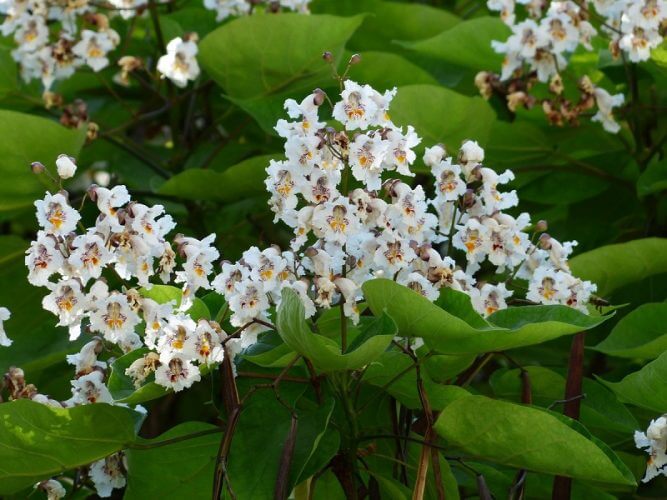
Arabian or sambac jasmine is a shrubby vine with very fragrant white flowers through the warm months, hardy in zones 9–11 and easy to keep in a pot on a sunny windowsill. The ASPCA lists true jasmines (Jasminum) as non-toxic to dogs, cats and horses. Confederate or star jasmine (Trachelospermum jasminoides) is a different plant that is often sold beside it; it is hardier and widely grown on fences across the South.
9. Gardenia (Gardenia jasminoides)

Gardenias are evergreen shrubs with creamy, intensely fragrant flowers in late spring and summer. They are hardier than most tropical flowers (zones 8–11) but are fussy about soil: they need acidic, moist, well-drained conditions, and yellow leaves often signal soil that is too alkaline. Gardenias are toxic to dogs and cats. For design ideas, see our gardenia front yard landscaping ideas.
10. Oleander (Nerium oleander)
Oleander is a tough, salt-tolerant shrub with pink, red, white or yellow flowers, hardy in zones 9a–11 according to UF/IFAS. It is also one of the most poisonous common landscape plants: all parts are toxic to people and pets, and the smoke from burning trimmings is toxic too. Skip it if you have children or pets that chew plants. In Florida, watch for the oleander caterpillar, which can strip a shrub of leaves in one to two weeks.
11. Ixora (Ixora coccinea)
Ixora carries round clusters of red, orange, pink or yellow flowers that each last six to eight weeks. UF/IFAS lists zone 9B as its northern limit, and it flowers most in full sun. It needs acidic soil; in alkaline soil new leaves turn yellow from iron and manganese deficiency. Constant shearing reduces flowering, so prune lightly. The ASPCA lists ixora as non-toxic to dogs, cats and horses.
12. Red Ginger (Alpinia purpurata) and Other Gingers
Red ginger produces tall spikes of glossy red bracts above broad leaves and is grown outdoors in zones 10–11. Other ornamental gingers, such as butterfly ginger and shell ginger, are more forgiving. UF/IFAS notes that many gingers go dormant over winter in North and Central Florida and return with warm weather. Gingers like rich, moist soil. In colder climates, grow them in large pots and bring them inside, or store dormant rhizomes for the winter.
13. Canna (Canna spp.)
Cannas give a tropical look in almost any US garden. They have bold leaves, often striped or bronze, and red, orange, yellow or pink flowers from summer into fall. In the warmest zones, cold-damaged plants can be cut back to 6–8 inches and will regrow. Farther north, dig the rhizomes after frost blackens the leaves and store them in a cool, frost-free place until spring. Watch for the canna leaf roller. The ASPCA lists canna as non-toxic to dogs, cats and horses.
14. Mandevilla (Mandevilla × amabilis)
Mandevilla is a twining vine with trumpet flowers in pink, red or white, and it is widely sold as a summer patio plant. It is hardy only in zones 10–11. The Missouri Botanical Garden suggests large containers with a small trellis, bringing plants indoors to a warm, sunny room before the first frost and pruning them back in spring. Indoors, watch for whiteflies, spider mites and mealybugs.
15. Bromeliads (Neoregelia and Relatives)
Bromeliads such as the blushing bromeliad (Neoregelia) form rosettes that turn brilliant red or pink in the center when they bloom. The color lasts for months, and each rosette blooms once and then makes offsets (pups). Most are grown as houseplants in bright, indirect light and need excellent drainage. The ASPCA lists Neoregelia as non-toxic to dogs and cats.
Tropical-Looking Summer Flowers for Any Zone
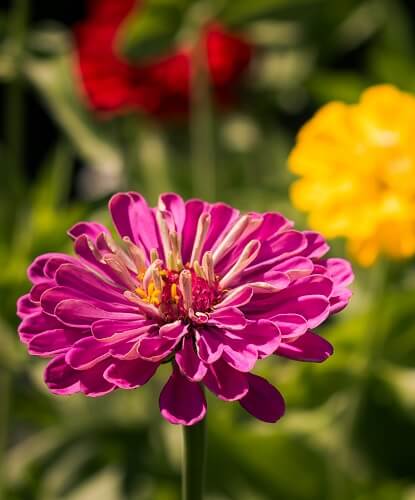
If you want the tropical look without overwintering anything, plant heat-loving annuals and tender perennials such as zinnias, lantana, impatiens, begonias and fuchsias alongside a few potted tropicals. They are not true tropicals in every case, but they fill beds with bright color until frost. Note that the ASPCA lists lantana as toxic to dogs and cats. Browse more options in our guide to beautiful annual flowers.
How to Grow Tropical Flowers Outside Zones 10–11

Most of the US gets frost, but you can still enjoy tropical flowers in three ways: grow them in containers and move them, treat them as annuals, or lift and store their bulbs and rhizomes.
Containers
- Choose a pot with drainage holes and a fast-draining mix. Plumeria and bougainvillea prefer a sandy, gritty mix, while gingers and cannas like richer, moisture-holding soil. Our guide to repotting plants covers how to move a plant up a size.
- Size the pot to the plant. A pot that is too large stays wet and invites root rot; go up one or two sizes at a time.
- Feed more often. Watering washes nutrients out of pots faster than garden soil, so container tropicals need regular feeding in the growing season.
- Move plants out gradually. After your last spring frost, start them in shade and increase sun over about a week to avoid leaf scorch.
Overwintering
- Bring plants in before the first frost. Do not wait for a freeze; many tropicals are harmed by chilly nights well before frost arrives.
- Check for pests first. Inspect leaf undersides and stems for aphids, mealybugs, scale, whiteflies and spider mites, and treat before plants come inside.
- Pick the right spot for each plant. Hibiscus, mandevilla and ixora need a warm, bright window (MBG suggests about 55–65°F for hibiscus). Plumeria can sit in a cooler spot at 50–55°F and will often drop its leaves. Bougainvillea can rest cool and fairly dry.
- Water less. Plants grow slowly in winter light, so let the top of the soil dry before watering, and hold off on fertilizer until spring.
- Store bulbs and rhizomes. Cannas and gingers can be dug up after frost, dried briefly, and stored in a cool, dark, frost-free place.
Care Basics for Tropical Flowers
- Light: most flowering tropicals (hibiscus, bougainvillea, plumeria, ixora, canna) need full sun outdoors to bloom well. Anthuriums, moth orchids and bromeliads prefer bright, indirect light.
- Water: keep moisture-lovers such as hibiscus, gingers and heliconia evenly moist, but let plumeria and bougainvillea dry between waterings.
- Soil: use well-drained soil rich in organic matter. Gardenia and ixora need acidic soil.
- Humidity: anthuriums, orchids and bromeliads struggle in dry indoor air; group plants or use a humidifier.
- Fertilizer: feed during active growth and go light on nitrogen for bloomers like bougainvillea, or you will get leaves instead of flowers.
- Pruning: prune hibiscus and bougainvillea at the right time (usually late winter or spring), because heavy or mistimed pruning removes flower buds.
Common Problems and Fixes
| Problem | Likely cause | What to do |
|---|---|---|
| Few or no flowers | Too little sun, too much nitrogen, over-pruning, or overwatering (bougainvillea) | Move to more sun, switch to a lower-nitrogen fertilizer, prune only at the right time |
| Buds drop before opening | Poor light, temperature swings, or irregular watering (common in hibiscus and gardenia) | Keep watering consistent and avoid moving plants between very different conditions |
| Yellow new leaves with green veins | Iron or manganese deficiency, often from alkaline soil (ixora, gardenia) | Test soil pH; apply chelated iron or manganese and use an acidic mix |
| Sticky leaves or black sooty mold | Aphids, scale, mealybugs or whiteflies feeding on sap | Wash off pests, use insecticidal soap; see our guide on how to get rid of aphids |
| Fine webbing, speckled leaves indoors | Spider mites, which thrive in warm, dry winter air | Rinse foliage, raise humidity, treat with insecticidal soap or horticultural oil |
| Brown, dull or dying anthurium leaves | Humidity below about 50% for several days | Raise humidity and keep away from heating vents |
| Mushy stem base, wilting in wet soil | Root rot from soggy soil (plumeria is especially prone) | Repot into a fast-draining mix and water only when the top inch is dry |
| Leaves stripped from oleander | Oleander caterpillar | Remove caterpillars or affected shoots early; act within days |
| Rolled, chewed canna leaves | Canna leaf roller | Remove rolled leaves and cut back damaged foliage |
Tropical Flowers for Bouquets and Weddings

Many tropical flowers last well when cut, which is why they are popular in wedding bouquets, leis and centerpieces. Orchids, anthuriums, heliconias, red ginger and bird of paradise all hold up for a long time in a vase, while plumeria and hibiscus are better for short-lived uses such as hair flowers and leis. If you are planning a whole tropical-themed garden, our Hawaiian landscape ideas show how to combine these flowers with palms and foliage plants. You can find more flower guides in our Plants & Flowers section.
FAQ
What are the most popular tropical flowers?
Hibiscus, orchids, bird of paradise, plumeria, anthurium, bougainvillea and heliconia are among the most widely grown and recognized tropical flowers. Cannas and mandevilla are widely sold as tropical-looking flowers for summer gardens across the US.
Can I grow tropical flowers if I live in a cold climate?
Yes. Grow them in containers outdoors after your last frost and bring them inside before the first fall frost, or treat them as annuals. Cannas and gingers can be dug up and stored as dormant rhizomes over winter.
Which tropical flowers grow best indoors?
Moth orchids, anthuriums and bromeliads handle indoor light best. Hibiscus, jasmine and mandevilla can be kept indoors over winter in a bright, sunny window, though they may bloom less until they go back outside.
Are tropical flowers safe for cats and dogs?
It depends on the plant. The ASPCA lists moth orchids, hibiscus, jasmine (Jasminum), ixora, canna and Neoregelia bromeliads as non-toxic, but bird of paradise, anthurium, gardenia, lantana and oleander as toxic. Oleander is especially dangerous. Check each plant before bringing it home.
What is the lowest temperature tropical flowers can handle?
It varies by plant, but many tropicals are damaged by cold well above freezing. Plumeria, for example, drops its leaves and stops blooming at around 50°F. To be safe, bring tender container plants inside before nights fall toward 50°F.