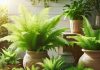
Palm Tree Landscaping Ideas for Your Front Yard: Transform Your Entrance into a Tropical Oasis

Discover how palm tree landscaping ideas can elevate your front yard from ordinary to extraordinary. Palm trees instantly evoke a sense of tranquility, warmth, and vacation-like serenity. By thoughtfully integrating palms into your entrance, you can create a welcoming gateway that reflects your personal style and enhances curb appeal. In this expert guide, you’ll find detailed Palm Tree Landscaping Ideas for Your Front Yard, planning tips, design templates, and care advice to bring tropical elegance to your home.

Why Choose Palm Trees for Your Front Yard?
Palm trees offer a unique blend of architectural form, lush foliage, and minimal footprint. Their slender trunks and fan- or feather-like fronds provide vertical interest without overcrowding the landscape. Many palm varieties thrive in containers or narrow beds, making them ideal for small to mid-size front yards. In addition, palms can tolerate salt spray, wind, and partial shade, broadening their suitability across diverse climates and exposure conditions.
Planning Your Palm Tree Landscape
Success begins with a solid plan that accounts for space, light, and long-term growth. Start by sketching your front yard and noting existing hardscape elements such as driveways, walkways, and entry steps. Identify areas with full sun, partial shade, and any overhead wires or structures that could interfere with mature palms. Determine focal points—perhaps flanking your front door, lining the driveway, or anchoring garden islands. Finally, consider scale: choose palms with mature heights and trunk diameters that complement, rather than overwhelm, your home’s façade.
Top Palm Tree Varieties for Front Yard Landscaping
Choosing the right palm is crucial. The following table compares popular front yard palms by mature size, light requirements, and key visual features.
| Palm Variety | Mature Height | Light Preference | Distinctive Traits |
|---|---|---|---|
| Pygmy Date Palm | 6–10 feet | Partial Shade | Multi-trunk clustering; delicate, graceful fronds |
| Queen Palm | 20–40 feet | Full Sun | Arching, feathery canopy; fast growth |
| Mediterranean Fan Palm | 15–25 feet | Full Sun | Silver-blue fan leaves; drought-tolerant |
| Windmill Palm | 10–20 feet | Partial Shade | Robust single trunk; cold-hardy |
| Areca Palm | 6–12 feet | Partial Shade | Dense, fountain-like foliage; clumping form |
Creative Palm Tree Landscaping Ideas
Infuse personality and function into your design with these imaginative schemes:
- Symmetrical Entry Flankers: Line both sides of the front door or driveway with matching palms like queen palms or pygmy date palms. This classic arrangement imparts a grand, formal appeal.
- Mixed-Height Islands: Group a tall focal palm (such as a Mediterranean fan) with shorter companions like areca or pygmy date palms. Surround with low groundcovers to create a layered vignette.
- Container Palm Display: Plant palms in decorative urns or tapered planters. Position these containers along walkways or porches to introduce flexibility—move them with the seasons or as your taste evolves.
- Curvilinear Bed Edging: Create kidney-shaped or kidney-bean planting beds bordered by palms. Accent the curve with colorful annuals and mulch for a dynamic, flowing design.
- Palm and Hardscape Fusion: Integrate palms alongside stone benches, low retaining walls, or water features. The juxtaposition of lush foliage and structured materials yields a balanced, resort-like ambiance.
Complementary Plantings and Hardscape Features
Palms shine brightest when paired with complementary textures and colors. Underplant with these suitable partners:
- Ornamental Grasses: Fountain grass and liriope add soft movement around palm trunks.
- Colorful Perennials: Lantana, salvia, and hibiscus bring tropical blooms beneath feathery fronds.
- Structural Shrubs: Boxwood or dwarf holly complete formal, geometric motifs near symmetrical palm arrangements.
- Groundcovers: Creeping thyme or mondo grass fill in soil gaps, suppress weeds, and unify the palette.
Combine these plantings with contrasting hardscape elements—flagstone pathways, gravel mulch edges, or low steel edging—to accentuate the palm silhouettes and maintain crisp lines.
Lighting and Decorative Accents
Extend the enjoyment of your palm-centered landscape into the evening with thoughtful lighting:
- Up-Lights at Trunk Bases: Position well lights around each palm’s trunk to cast shadows through the crown, highlighting texture and form.
- Pathway Bollards and Low Stakes: Guide visitors safely along walkways that weave between palms using low-voltage LED stakes.
- Spotlights on Feature Palms: Focus narrow-beam spotlights on a signature palm or clustered island to anchor nighttime vistas.
- Solar-Powered String Lights: Drape string lights among lower fronds for a soft, festive glow during warm evenings.
Complement lighting with decorative accents such as coastal driftwood, ceramic planters, or teak benches to reinforce the tropical theme and create intimate seating areas.
Maintenance Tips for Healthy Palm Trees
Proper care ensures that your palms remain lush, vigorous, and structurally sound:
- Regular Watering: Young palms need consistent moisture—water deeply 2–3 times per week during establishment, tapering as roots grow.
- Fertilization Routine: Apply a slow-release palm fertilizer formulated with magnesium, manganese, and potassium three times per year—spring, summer, and early fall.
- Pruning Strategy: Remove only completely brown fronds. Over-pruning can stress the palm and diminish its natural shape.
- Pest and Disease Monitoring: Inspect periodically for scale, palm weevils, or fungal spots. Early detection allows for targeted treatments and prevents widespread damage.
Document growth progress with photos and notes. This practice helps you identify any nutrient deficiencies or hydration issues before they escalate.
Seasonal Considerations and Climate Adaptation
Palm landscaping is deeply influenced by your local climate. Tailor your approach as follows:
- Cold-Climate Tips: Windmill palms and Mediterranean fan palms exhibit superior cold tolerance. Protect crowns with horticultural fleece or burlap wraps when temperatures dip below 25°F.
- Heat and Drought Strategies: Mulch generously around palm bases to conserve moisture. Opt for deep, infrequent irrigation rather than frequent shallow watering.
- Hurricane-Prone Zones: Stake young palms during the first two years to prevent trunk bending. Select wind-resistant species like queen palms for coastal properties.
- Urban Environments: Container palms flourish in cityscapes. Regularly refresh the potting medium, and position containers near walls to buffer temperature extremes.
Understanding your regional challenges empowers you to choose palm species and care regimes that thrive in situ and require fewer interventions over time.
Building a Project Timeline
Transforming your front yard into a palm-lined paradise demands organization. Use this step-by-step timeline:
- Month 1: Site Survey and Design Measure yard dimensions, assess soil quality, and finalize palm varieties and locations.
- Month 2: Soil Preparation and Hardscape Installation, edging, gravel bases, and any pathways or retaining features. Amend the soil with compost.
- Month 3: Palm Planting Plant young palms early in the growing season for optimal root establishment. Add mulch and initial irrigation lines.
- Months 4–6: Underplantings and Accents Introduce grasses, groundcovers, and accent planters. Test lighting placements after sunset.
- Ongoing: Maintenance and Seasonal Tasks Stick to watering, fertilizing, and pruning schedules. Refresh mulch each spring and adjust irrigation as needed.
Tracking progress against this timeline keeps the project on budget and reduces last-minute scrambling.
Bringing It All Together
Palm tree landscaping ideas for the front yard offer myriad possibilities—from formal alleys of towering queens to intimate pocket gardens with clustered pygmy dates. By harmonizing palms with complementary textures, solar or low-voltage lighting, and seasonal care, you’ll craft a show-stopping entrance that never goes out of style. As you refine your design, consider how each element works together to support a cohesive tropical ambiance.
Ready to Transform Your Front Yard?
Your front yard is the first impression visitors and passersby experience. Embrace the allure of palms to express welcoming warmth, architectural flair, and a lasting connection to the natural world. Begin sketching, choose your favorite varieties, gather materials, and dive into planting. Explore additional resources on our blog for detailed plant profiles, DIY hardscape tutorials, and advanced care guides. Your tropical haven is just a few palms away—start your palm-centric landscaping journey today!