Landscaping Trends for 2026: The Future of Outdoor Design
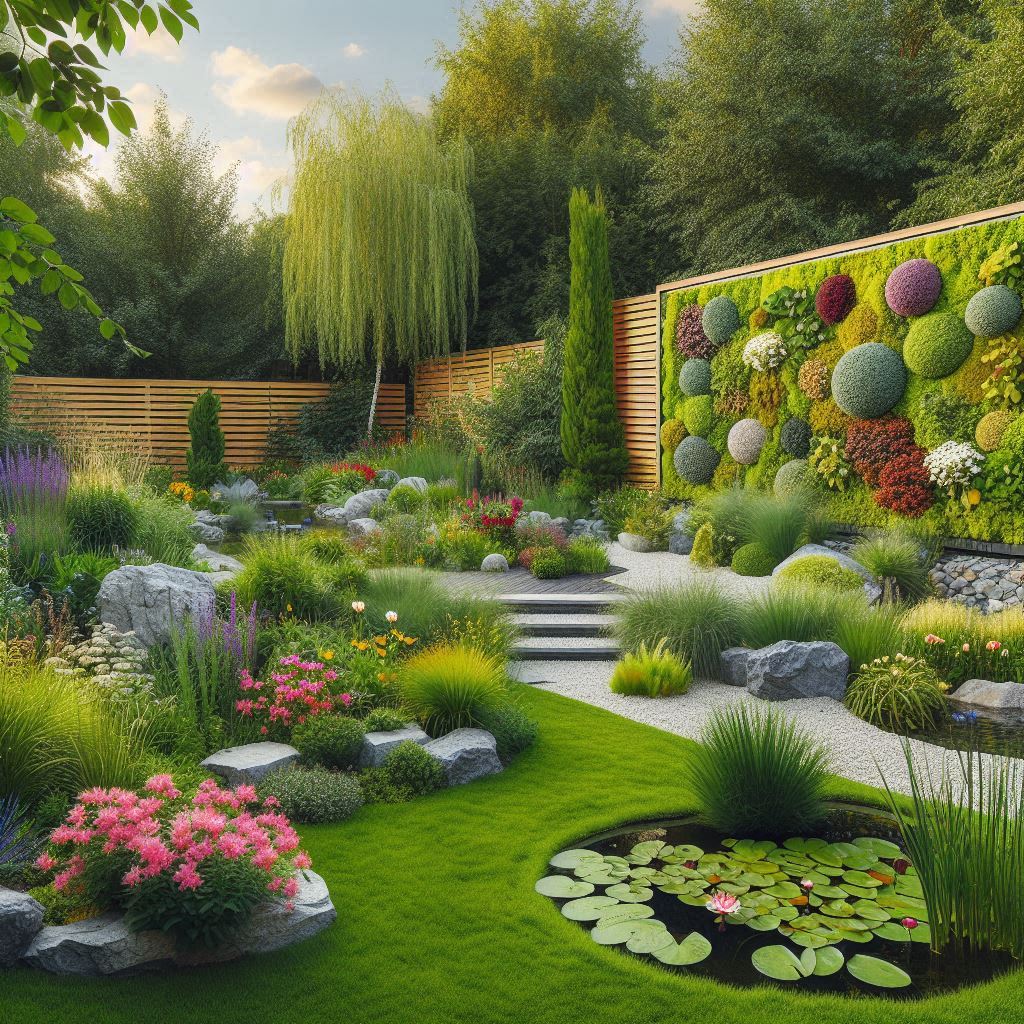
As we approach 2026, the world of landscaping is poised for transformative change. Homeowners and designers alike are embracing sustainable practices, innovative materials, and smart technologies to create outdoor spaces that are as functional as they are beautiful. From urban balconies bursting with green walls to sprawling suburban yards that cradle native wildlife, the upcoming trends blend ecological responsibility with style. Dive in as we explore the key landscaping movements set to shape gardens, patios, and public spaces in the year ahead—and discover how you can apply these ideas to your own property.
1. Sustainability Takes Center Stage
Environmental stewardship continues to drive design decisions, with 2026 marking a turning point in how we approach outdoor spaces. Gardens will lean into:
- Waterwise Irrigation: Automated systems that tap into local weather data to deliver precise hydration save water and nurture healthier plants. These smart controllers adjust schedules based on rainfall forecasts and soil moisture levels, cutting waste without manual oversight .
- Renewable Materials: Walkways, raised beds, and pergolas crafted from recycled plastics, reclaimed wood, and natural stone reduce environmental impact—and tell a story of conscious sourcing. Pathways made of recycled glass aggregate, for instance, dazzle in sunlight while diverting waste from landfills.
- Permeable Surfaces: Driveways and patios built with permeable pavers or gravel allow stormwater to infiltrate the soil, mitigating runoff and replenishing aquifers. This approach aligns with green infrastructure goals and earns points toward local sustainability certifications.
By aligning with ecological principles, modern landscapes become living demonstrations of resource efficiency and resilience.
2. Integrating Smart Technology into the Garden
The garden is no longer an analog realm. Homeowners are layering their landscapes with devices and apps that turn maintenance into a data-driven exercise:
- Sensor-Driven Soil Monitoring: Wireless probes planted at the root level transmit real-time data on pH, moisture, and nutrient content. Mobile dashboards alert you when conditions dip outside optimal ranges, ensuring plants thrive year-round.
- Automated Light and Sound: Motion-activated LED fixtures and discreet outdoor speakers integrate seamlessly into planting schemes, extending evening living hours while preserving nocturnal wildlife corridors. Schedules sync to sunset and seasons for effortless ambiance.
- AI-Assisted Design Tools: Virtual reality (VR) and augmented reality (AR) apps let you preview layout options, test color palettes, and adjust hardscape elements at scale before a single shovelful of earth is moved. These platforms reduce guesswork and speed up decision-making.
Technology enhances every step of landscape creation—from ideation and budgeting to installation and ongoing care.
3. Vertical and Edible Landscapes on the Rise
Space is often at a premium, especially in urban settings. Two interwoven trends—vertical gardening and edible landscapes—offer high-yield returns:
- Living Walls: Modular panels anchored to exterior walls support colorful arrays of ferns, succulents, and culinary herbs. Integrated drip irrigation keeps roots moist, while hollow backing channels airflow to prevent humidity buildup.
- Edible Ornamentals: Who says vegetables can’t be beautiful? Kale, Swiss chard, and cherry tomatoes stand tall alongside ornamental grasses and perennials, delivering both visual interest and harvestable produce. This edible couture approach cuts grocery trips and deepens connections to where food originates.
- No-Dig Raised Beds: Layering cardboard, compost, and mulch atop existing soil preserves underground ecosystems and streamlines bed setup. Nutrient-rich layers decompose into fertile ground that supports vigorous fruiting and flowering with minimal turning or tilling.
By growing up instead of out, these strategies maximize yield, minimize footprint, and foster sustainable food production.
4. Tactile Textures and the Indoor-Outdoor Blend
The boundary between interior living spaces and gardens continues to dissolve, with design choices that invite seamless flow:
- Textured Surfaces: Brushed and honed concrete, tumbled stone, and honed sandstone create patios you want to touch as much as you walk on. These surfaces age gracefully, developing patinas that echo surrounding plantings.
- Oversized Porcelain Paving: Large-format slabs bring continuity between inside and out. Matching indoor tiles to outdoor porcelain eliminates visual breaks at thresholds, while the material’s frost resistance and stain-proof surface ensure durability.
- Multi-Seasonal Living Zones: Built-in fireplaces, pergolas lined with retractable canopies, and weather-rated lounge furniture transform yards into all-weather retreats. Automated screens and heaters prolong use into cooler months, turning patios into year-round extensions of the home.
When floor finishes and furnishings flow uninterrupted from the living room to the lawn, everyday routines gain an effortless connection to nature.
5. Biodiversity and Wildlife-Friendly Plantings
Creating habitats is as stylish as it is vital. In 2026, landscapes will double as sanctuaries for birds, bees, and beneficial insects:
- Pollinator Corridors: Swaths of lavender, coneflower, and milkweed knit together breeding and foraging grounds for bees and butterflies. Timing bloom cycles to overlap ensures nectar sources from spring through fall.
- Native Plant Palettes: Little bluestem, switchgrass, Indian blanket flower, and buttonbush thrive without synthetic fertilizer or excess water. These region-adapted species develop deep root systems that stabilize soil and recharge groundwater.
- Rain Gardens and Bioswales: Depressions planted with swamp milkweed, blue flag iris, and cardinal flower capture runoff from roofs and pavements. Filtration through gravel and loamy sand cleanses pollutants before water percolates back into the water table.
By centering wildlife needs, your garden becomes a living classroom and critical ecosystem node.
6. Low-Maintenance and Permaculture-Inspired Design
Busy lifestyles demand outdoor spaces that reward more than they require. Permaculture principles and low-maintenance materials converge to simplify care:
- Composite Decking & Artificial Turf: Advances in polymer technology mimic real wood and grass without staining, splintering, or mowing. These surfaces resist UV fading and stay lush under heavy foot traffic, freeing you to enjoy weekends instead of landscaping chores.
- No-Dig Soil Building: Amendments like biochar, leaf mold, and compost layered atop native soils foster nutrient cycling and microbial diversity. Over time, the beds become self-sustaining ecosystems that suppress weeds and maintain moisture.
- Modular Planting Zones: Grouping perennials, shrubs, and groundcovers into defined clusters reduces watering complexity. Dedicated drip-line loops per zone let you fine-tune flow rates and schedules based on plant water needs.
A permaculture-inspired layout creates a resilient, hands-off garden that rewards observation more than effort.
7. Designing for Climate Resilience
With weather patterns growing more extreme, forward-thinking landscapes fortify homes against heatwaves, storms, and drought:
- Shade Trees with Canopy Goals: Plant fast-growing species such as willow oak, honey locust, and ginkgo to cast broad afternoon shade. Proper placement reduces cooling costs by shading windows and pavements, cutting the urban heat island effect.
- Drought-Tolerant Groundcovers: Sedum, creeping thyme, and Mexican feather grass carpet soil surfaces, curbing evaporation and erosion while delivering seasonal blooms that feed important pollinators.
- Stormwater Harvesting: Rain barrels and cisterns collect rooftop runoff for irrigation. Larger cisterns, concealed within raised beds or below decks, can store hundreds of gallons—buffering water demand spikes during dry spells.
By anticipating climate shifts, your landscape takes on both defensive and regenerative roles.
Bringing It All Together: Planning Your 2026 Landscape
To translate these trends into your own backyard, begin with a thorough site analysis. Map sun and shade patterns, note prevailing winds, and test soil pH and structure. Sketch zones for cooking, play, meditation, and composting, then layer in the elements above that resonate with your personal style. Phasing the project allows you to budget, source materials locally, and adapt as your vision evolves.
- Phase 1: Infrastructure—drainage, hardscape, irrigation
- Phase 2: Major plantings and smart-tech integration
- Phase 3: Accent features—lighting, art, furniture
Document each stage with photos and notes so you can refine designs in real time and avoid costly rework.
Expert Tips for a Future-Ready Garden
- Select long-lived perennials that mature over seasons rather than annuals requiring yearly re-planting.
- Invest in rechargeable electric tools to curb emissions and noise pollution.
- Stay flexible—modular furniture, moveable planters, and adjustable lighting let you reconfigure settings for parties, storms, or growing seasons.
- Monitor performance metrics—track water usage, plant health, and energy savings through a central dashboard to fine-tune systems over time.
Adopting a mindset of continuous improvement ensures your garden stays graded “A+” in both form and function.
Landscaping trends for 2026 celebrate sustainability, technology, biodiversity, and low-maintenance living. By blending these elements thoughtfully, you’ll craft an outdoor retreat that looks ahead to tomorrow’s challenges and pleasures. Ready to turn your yard into a showcase of tomorrow’s design? Start sketching, shop for samples, and tap into virtual planning tools to bring your vision to life. Here’s to outdoor living that’s smart, stylish, and deeply in tune with the rhythms of the planet.