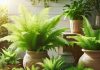
Top Low-maintenance Indoor Plants That You Can Have In Your Office

Having indoor plants in your office can have a major impact on air quality. Depending on the space you have available, you might want to choose one of these low-maintenance indoor plants that will thrive indoors and look fresh all year round!
When fluorescent lights flicker and emails pile high, a moment of nature can mean the difference between burnout and brilliance. That’s where indoor plants—specifically low-maintenance ones—step in as silent allies of peace, productivity, and beauty. They thrive quietly in corners and cubicles, transforming sterile spaces into sanctuaries of calm.
Whether you’re a plant rookie or someone who’s accidentally killed a cactus (we’ve all been there), this list of office-friendly green companions will inspire you to bring life into your daily grind with ease and elegance.
Calathea Plants
Calathea plants are about the easiest indoor plants you can have. The leaves of this plant are brightly colored, which makes it a great choice for decorating your office. It’s also very easy to grow. The Calathea Medallion is an excellent choice; it requires very little maintenance, however it needs to be watered regularly. The best part about this plant is that it has a reputation for cleansing indoor air pollution and providing humidity for the environment.
Succulents
Succulents are an excellent option for your office. They’re very easy to take care of, and they don’t require much attention or sunlight. You can place them in an area that gets a lot of sunlight if you want them to be more colorful and full, but the succulents will do well in proper artificial light as well.
The Jade plant is an excellent choice for this, but the Aloe Vera Juice Plant is another great option that is very easy to grow and doesn’t require as much attention as most other plants. Also, keep in mind that the watering schedule for succulents needs to be kept to once a week (if needed).
Why it’s perfect:
- Needs sun but tolerates indirect light
- Requires water only when dry
- Can be used to soothe burns, cuts, and dry skin
- Looks clean and minimal
Inspiration Tip: Grow your own first-aid kit—and let its calm presence cool your stress, one breath at a time.
Christmas Cactus
 The Christmas cactus is a beautiful plant that thrives in lower lighting conditions. It’s very useful because it helps keep your air clean and regulates humidity levels, too. This plant has pink or red blooms that look gorgeous year-round.
You don’t usually need to water it very much, just let the soil dry out before you water it again. If you’re looking for something more colorful than just green, then this might be the perfect choice for you! This plant is also great if you’re trying to decorate your office during the holidays because of its red petals.
Spider Plant
 The Spider plant is a very easy one to take care of, and it requires very little water to survive. You need to periodically remove older leaves for them to grow better, but apart from that, this plant thrives when it’s left alone.
Make sure you keep it in areas where there’s enough sunlight so that the leaves are green instead of yellowish. The great thing about this plant is that you can divide it into multiple spider plants without too much trouble!
This is useful if you’re looking for something small to fit on your desk or just want more than one indoor plant to decorate your office. It also does well in areas where there isn’t much sunlight, so it won’t die if you keep it near your computer screen.
Why it’s perfect:
- Handles a range of light conditions
- Sprouts baby plants (plantlets), you can share
- Tough but stylish
- Ideal for shelves, hanging baskets, or filing cabinets
Inspiration Tip: Every baby spider plant is a reminder: give generously—growth multiplies when shared.
Hoya
 The Hoya plant is also known as the wax plant, and it’s very easy to maintain. This indoor plant thrives when it has too little light, which makes this an excellent choice if your office doesn’t get that much sun.
All you need to do is regularly water the soil (about once a week) and make sure the leaves don’t become dry or brittle.
The great thing about this particular plant is that it purifies the air, so you can breathe easy knowing that your indoor air quality will be improved while this plant stays in your office! Make sure to keep it away from pets because this plant is toxic.
Read More: Top 4 Reasons Why You Should Use Professional Garden Maintenance Services
English Ivy
 The English ivy is a very unique choice for an indoor plant because it grows in a creeping fashion that looks beautiful against a wall. This variety of ivy can climb upwards, but if you don’t want it to do this, you can easily train the vine to lie flat against the surface of your walls.
It’s also pretty easy to maintain and requires little sunlight or water at all! You still need to make sure the leaves aren’t beginning to wilt, though, because if they die off then this will affect how well air quality in your office is regulated. This plant will also do well near doors and windows where there’s more airflow, which makes having plants in your office even better!
Ivy Geranium
 The Ivy Geranium is a great choice for anyone who wants to have an indoor plant that can help improve the air quality in their office. This plant absorbs pollutants in the air, which means you don’t need to worry about harmful VOCs hanging around where you’ll be breathing them in! It’s also very easy to take care of and requires only moderate sunlight.
All you need to do is water it regularly (about once or twice a week) and place it near an area where there’s enough airflow so that your leaves won’t be too dry. It thrives when placed next to large windows with indirect sunlight. The ivy geranium will grow pretty quickly, so if you want something smaller, you should probably choose another plant instead.
🌿 Snake Plant (Sansevieria)
Also known as “mother-in-law’s tongue,” this upright beauty is the embodiment of resilience.
Why it’s perfect:
- Needs very little water (every 2–3 weeks)
- Thrives in low light and artificial light
- Filters indoor air (NASA agrees!)
- Stylish with vertical lines and variegated leaves
Inspiration Tip: Put one by the printer or near your desk lamp—watch it thrive like your best ideas do in the quiet moments.
🪴 ZZ Plant (Zamioculcas zamiifolia)
With waxy, green leaves that reflect light like polished gems, the ZZ plant is a stunner with stamina.
Why it’s perfect:
- Practically indestructible
- Grows in low light, even in windowless rooms
- Tolerates infrequent watering
- Slow-growing—no wild jungle vibes at your workstation
Inspiration Tip: Let its glossy calm remind you that growth doesn’t have to be loud to be powerful.
Peace Lily

Another great indoor plant for your office is the Peace lily. It thrives in low-light conditions, so if you need to place it near a window where there won’t be much sunlight shining through, this is perfect! However, you still want to make sure that the soil doesn’t dry out completely because this will affect how well your plant grows.
The Peace lily has beautiful white flowers that bloom on stalks that are at least 2 feet high. If you’re looking for something to help improve the air quality of your office while maintaining a calming atmosphere (perfect for open offices!), then this might be exactly what you need!
Having indoor plants in your office is an excellent idea, especially if you want to be environmentally friendly. Not only will they make your office look more professional and upscale, but having them around will also improve the air quality!
Why it’s perfect:
- Tells you when it needs water—droops, then revives
- Handles low light well
- Removes toxins like benzene and formaldehyde
- Elegant white flowers brighten sterile surroundings
Inspiration Tip: Let its quiet blooming remind you that growth often happens in the shadows.
☀️ Pothos (Epipremnum aureum)
Also called devil’s ivy, this cascading plant adds drama and charm to any office shelf or hanging pot.
Why it’s perfect:
- Loves artificial light but handles bright light too
- Forgives missed waterings and thrives on neglect
- Purifies air and reduces indoor toxins
- Grows quickly, offering visual joy
Inspiration Tip: As it trails gently over your workspace, let it remind you that beauty thrives when allowed to wander.
🌿 Cast Iron Plant (Aspidistra elatior)
This plant lives up to its name. Hardy, tolerant, and incredibly low-maintenance, it’s ideal for the busiest professionals.
Why it’s perfect:
- Survives low light, temperature changes, and missed watering
- Doesn’t require repotting often
- Rich green leaves add depth to a space
Inspiration Tip: Let it anchor your environment with a touch of grounded grace—solid, steady, silently stunning.
🍂 Chinese Evergreen (Aglaonema)
Colorful, lush, and tolerant of neglect—this plant adds a pop of patterned foliage to your office aesthetic.
Why it’s perfect:
- Handles low light and dry air
- Available in reds, silvers, and greens
- Needs only occasional watering
- Grows slowly and steadily
Inspiration Tip: Let its bold hues inspire you to mix creativity with consistency in your work.
☘️ Lucky Bamboo (Dracaena sanderiana)
No soil? No problem. Lucky bamboo grows in water and adds a Zen touch to your desk.
Why it’s perfect:
- Requires only water (change every couple of weeks)
- Grows slowly and elegantly
- Can be shaped and trained creatively
- Symbolizes luck and prosperity
Inspiration Tip: Place it near your monitor and let its symmetry reflect the calm you crave in chaotic moments.
🌸 Jade Plant (Crassula ovata)
A miniature tree that’s also a succulent—jade is thick, compact, and built for success.
Why it’s perfect:
- Needs direct light, but survives in bright offices
- Minimal watering required
- Symbolizes prosperity and endurance
- Sturdy and architectural
Inspiration Tip: Let its strength remind you that the most resilient ideas are the ones deeply rooted.
Low-Maintenance Indoor Plants: Tips for Caring for Your Greenery
Low-maintenance indoor plants are the ideal antidote to modern overwhelm. They’re resilient, forgiving, and often more adaptable than we give them credit for. But even these hardy houseplants need a little love—and with just a few mindful tips, you can nurture them into vibrant, long-lasting decor.
Whether your plant lives on your desk, in your hallway, or by a sunny window, these care strategies will help your greenery grow with grace.
🌱 1. Know Your Plant’s Personality
Each plant has its rhythm—some like the spotlight, others prefer shade. The key to effortless care is knowing the basics of your plant’s species.
Common Low-Maintenance Heroes:
| Plant Name | Light Needs | Watering Frequency |
|---|---|---|
| Snake Plant | Low–Medium | Every 2–3 weeks |
| ZZ Plant | Low | Monthly or as needed |
| Pothos | Low–Bright | Weekly |
| Peace Lily | Low–Medium | Weekly (droops when thirsty) |
| Aloe Vera | Bright, indirect | Every 3 weeks |
🧠 Tip: Google your plant type and jot down its care preferences on a sticky note next to its pot—easy reminders make great habits!
💧 2. Water Smart, Not Often
Overwatering is the #1 plant killer. Low-maintenance plants prefer a bit of drought, and they bounce back easily if you miss a week.
Watering Tips:
- Check the soil by touching it—only water if the top inch feels dry
- Use pots with drainage holes to avoid root rot
- Water in the morning for optimal absorption
- Use lukewarm water, especially in cooler months
🌟 Inspiration Tip: Make watering part of a mindfulness ritual—speak a kind word or affirmation as you hydrate your plant. Growth listens.
☀️ 3. Place Them Where They Belong
Light plays a starring role in plant health. Low-maintenance doesn’t mean no light—it means adaptability.
Light Placement Guide:
- Bright light: Aloe Vera, Jade, Rubber Plant
- Indirect light: Peace Lily, Spider Plant
- Low light: Snake Plant, ZZ Plant, Cast Iron Plant
🏡 Hack: Rotate your plant every few weeks so it grows evenly and doesn’t lean toward light sources.
🧼 4. Keep It Clean
Dust settles on leaves just like on desks—and it blocks vital light absorption.
Simple Cleaning Tips:
- Wipe leaves gently with a damp cloth every few weeks
- Avoid chemical leaf shine products (they can clog pores)
- Trim dead or yellowing leaves to encourage new growth
✨ Green Routine Idea: Make leaf-dusting part of your weekend reset—light music, gentle wipes, and a moment of connection.
🌸 5. Fertilize with Love (and Moderation)
Low-maintenance doesn’t mean no nutrients. Occasional feeding helps keep your plant glowing.
Fertilization Tips:
- Use a balanced liquid fertilizer every 2–3 months during the growth season (spring/summer)
- Skip fertilizing in winter—plants rest then
- Always follow product instructions to prevent buildup
🌼 Mindful Note: Fertilizing isn’t about forcing growth—it’s about creating conditions for potential to unfold.
🦠 6. Watch for Subtle Signals
Even hardy plants speak. They wilt, yellow, or shed when something’s off. Learn to observe without judgment.
Common Clues:
- Brown tips → overwatering or low humidity
- Drooping → underwatering or root stress
- Pale leaves → lack of nutrients or low light
🔍 Response Tip: Treat plant care like detective work—solve the mystery with patience and curiosity.
🪴 7. Repot Only When Necessary
Most low-maintenance plants don’t mind being root-bound. But occasional repotting helps refresh soil and promote expansion.
Repotting Guide:
- Every 1–2 years for most plants
- Choose a pot only slightly larger than the current one
- Use fresh, well-draining potting mix
- Water lightly after repotting
🌿 Growth Reminder: Like us, plants flourish when given just enough space—not too much, not too little.
🧘♀️ Why Office Plants Matter More Than You Think
Low-maintenance indoor plants are more than decoration. They are subtle reminders to breathe, to grow slowly, to nurture even on busy days. Research shows that indoor greenery can:
- Reduce stress
- Improve concentration
- Boost creativity
- Filter toxins
- Humidify dry office air
And perhaps more importantly, they bring nature to places where it’s most needed—between the meetings, beneath the deadlines, behind the blue screens.
📋 Quick Care Checklist for Busy Professionals
| Task | Frequency |
|---|---|
| Watering | 1–2x per week or as needed |
| Dusting leaves | Monthly |
| Checking for pests | Bi-weekly |
| Rotating pots | Monthly |
| Pruning or trimming | As needed |
Let each care moment be a mini meditation—a brief pause to check in with yourself too.
🌈 Final Reflections: Green Is the New Genius
You don’t need a green thumb or a sun-drenched window to cultivate beauty. All you need is curiosity, care, and a plant that matches your energy. Whether you’re climbing the corporate ladder or quietly creating from your cubicle, these low-maintenance indoor plants whisper a timeless truth:
Growth doesn’t have to be hard. It just has to be nurtured.
So go ahead—bring nature into your workspace. Let your desk bloom. Let your spirit breathe. Let your productivity flourish with roots as deep as your dreams.
Conclusion
Depending on how much light you have available in your office, there are plenty of low-maintenance indoor plant options out there that you can choose from without worrying about watering or dead leaves. You should still check whether it’s possible to get water where you are, though, because this could influence what kind of plants would work best for your space!
Read More: Growing Boston Ferns