The Ultimate Guide to Vertical Gardening: Inspiration, Practicality, and Design for Every Space
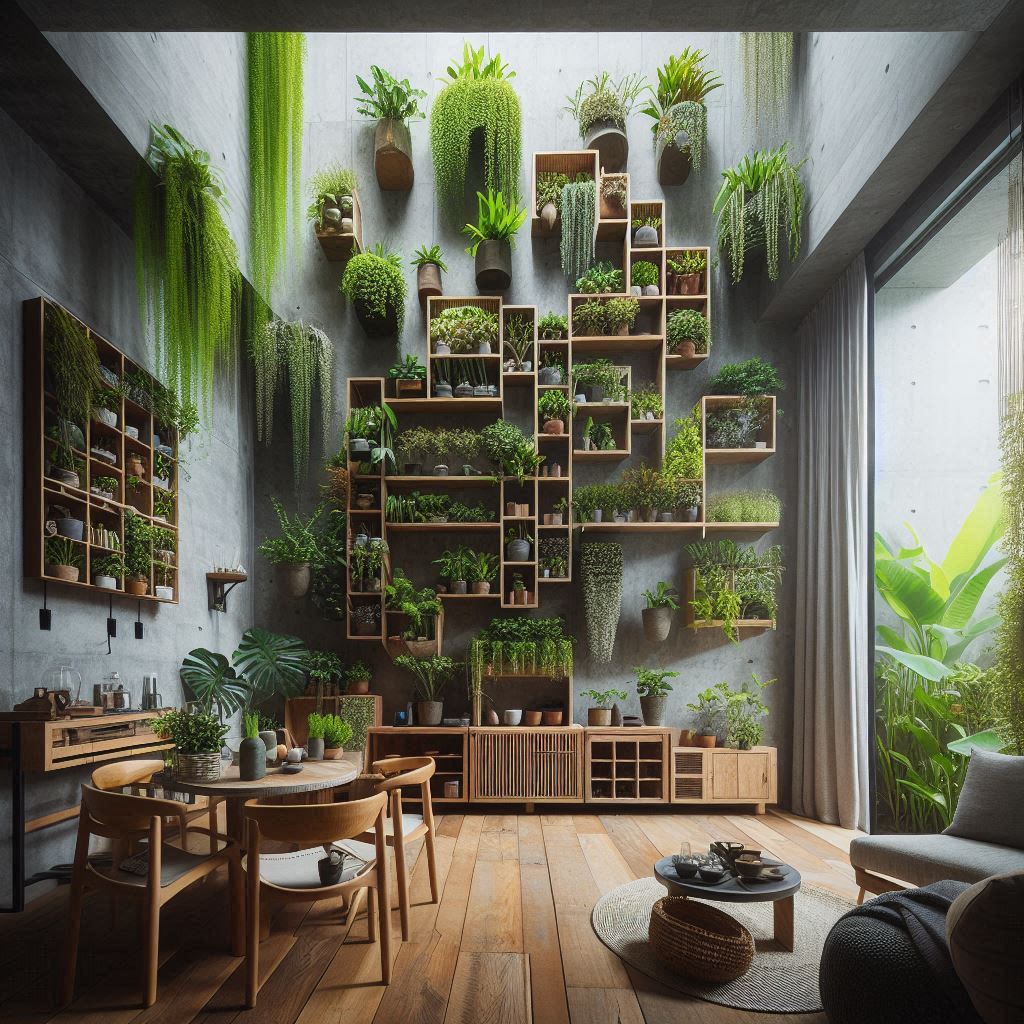
In a world where living space is at a premium and urbanization is on the rise, vertical gardening has emerged as a transformative gardening method, allowing anyone—regardless of their square footage—to cultivate thriving gardens. This trend is more than a fleeting fad: it is a sustainable, accessible, and creative solution for growing food and beauty upwards instead of outwards. By taking advantage of unused vertical spaces—walls, balconies, patios, and even indoors—vertical gardening empowers gardeners to turn small areas into lush green havens.
The impact of vertical gardening goes well beyond maximizing space; it improves air quality, enhances mental well-being, and can contribute to food security in both personal and community settings. This guide explores everything you need to succeed—from understanding the key benefits and design concepts of vertical gardening to practical tips, DIY projects, and solutions for balconies, patios, and various indoor spaces. Let’s inspire you to take your next gardening venture up a level!
The Benefits of Vertical Gardening
Maximizing Limited Space and Yield
Space efficiency is the core of vertical gardening’s appeal. By growing up, you utilize surfaces that are otherwise unproductive—walls, fences, railings, and even ceilings. This is particularly valuable to apartment dwellers or those with small backyards. Vertical gardening enables you to grow significantly more plants per square foot than traditional gardening, making it ideal for herbs, leafy greens, vining vegetables, strawberries, and succulents.
Healthier Plants, Greater Yield
Growing upwards offers significant horticultural advantages. Plants get better air circulation, reducing the risk of fungal diseases, and more uniform sunlight exposure, promoting stronger growth and higher yields. Water drainage tends to be more efficient, lessening the risk of root rot; plus, pollinators can easily access vertical gardens in open spaces, improving fruit set for edible crops.
Accessibility and Inclusive Design
Vertical gardens are inherently more accessible: caring for plants at eye or waist level means less bending or kneeling, an ergonomic advantage for everyone and a game-changer for people with mobility challenges or for senior gardeners seeking an inclusive hobby. Maintenance tasks—watering, pruning, harvesting—become easier when your green space is vertically arranged. This ease of maintenance can translate into more enjoyable and sustained gardening experiences.
Aesthetics and Wellbeing
Vertical gardens act as living artwork, enhancing the visual appeal of indoor and outdoor environments. They transform drab walls and fences into vibrant focal points, allowing creative expression through plant combinations, color, texture, and pattern. Visually, they bring tranquility, beauty, and a soothing atmosphere—benefiting mental wellbeing and stress reduction. Some large-scale indoor living walls even double as noise buffers, improving acoustics.
Environmental and Economic Payoffs
Environmental benefits abound: Plants filter pollutants, reduce the urban heat island effect by shading and transpiration, and contribute to urban biodiversity by supporting birds and pollinators. By growing your own produce, you’ll reduce reliance on commercial supply chains—cutting packaging waste and food miles—which in turn delivers economic benefits like lower grocery bills and potential home energy savings (insulated green walls help regulate building temperature).
Education and Community Building
Vertical gardens are interactive teaching tools for all ages, supporting lessons in biology, ecological stewardship, and nutrition. Many schools and community projects now use vertical systems to enhance awareness and participation in sustainable living.
Suitable Plants for Vertical Gardening
The key to success in a vertical garden is selecting plants that match your environment and structure. Each plant type has its pros and cons, with different requirements for light, water, and support.
Table: Popular Vertical Gardening Plants with Light and Water Requirements
| Plant Name | Light Requirement | Water Requirement | Type |
|---|---|---|---|
| Basil | Full Sun | Moderate | Herb |
| Mint | Partial to Full Sun | High | Herb |
| Parsley | Partial Sun | Moderate | Herb |
| Lettuce | Partial to Full Sun | Moderate | Leafy Green |
| Spinach | Partial Sun | Moderate-High | Leafy Green |
| Cherry Tomatoes | Full Sun | Moderate | Vegetable |
| Peas | Full Sun | Moderate | Vegetable |
| Strawberries | Full Sun | Moderate | Fruit |
| Succulents | Bright Light | Low | Ornamental |
| Ferns | Low to Moderate Light | High Humidity | Ornamental |
| Ivy (English Ivy) | Partial to Full Sun | Moderate | Vine |
| Pothos | Low-Indirect/Partial Sun | Low-Moderate | Ornamental |
| Petunias | Full Sun | Moderate | Flower |
| Marigolds | Full Sun | Low-Moderate | Flower |
| Oregano | Full Sun | Low | Herb |
| Thyme | Full Sun | Low | Herb |
Each of these plants offers unique advantages for vertical gardens. Leafy greens and herbs are particularly space-efficient, growing well in stacked planters and pockets. Succulents, with low water requirements and drought tolerance, are great for beginners and modern aesthetics. Climbing crops like peas and tomatoes enjoy trellised structures, producing high yields and visual interest.
Plant selection tips:
- Group plants by similar water and light needs for simpler maintenance
- Compact or vining varieties generally perform best
- Consider shallow-rooted species for wall pockets and deeper planters for fruiting vegetables
- Mix ornamental and edible plants for both beauty and productivity
Essential Soil and Nutrient Media for Vertical Gardens
Because soil volume is limited in most vertical gardens, it’s crucial to use a lightweight, nutrient-rich, and well-draining mix. A blend of high-quality potting mix, compost or worm castings, and water-retention materials (like coco coir or peat moss) works well for most plant types.
- Drainage is critical: Perlite, vermiculite, or builder’s sand can be added to improve aeration and prevent waterlogging. Avoid heavy clay or dense soils.
- Water retention: For upper tiers that dry out quickly, amendments like coco coir and vermiculite are invaluable.
- Nutrients: With limited soil volume, vertical gardens require more frequent fertilization. Compost tea, worm castings, or slow-release organic fertilizers are excellent choices, supplying a steady stream of nutrients for continuous growth.
- pH: Aim for a neutral to slightly acidic pH (6.0–7.0), which favors the most popular vertical plants.
Tip: Refresh and replenish soil annually, and monitor for compaction or nutrient depletion throughout the growing season.
Structural Supports, Materials, and Irrigation Systems
Structural Supports and Materials
Vertical gardens can be crafted in countless ways—from simple wall-mounted pockets or trellises to elaborate living wall panels and hydroponic towers.
Common vertical gardening systems include:
- Trellises and Lattices: Ideal for climbing crops (peas, beans, cucumbers, morning glories). Wood, metal, or plastic; must be sturdy and securely anchored.
- Pocket Planters or Modular Panels: Fabric, felt, or recycled plastic pockets attached to a vertical frame/support wall. Great for herbs, leafy greens, succulents, and flowers.
- Free-standing Towers: Stacked pots, barrel planters, or multi-tier shelving.
- Repurposed Materials: Pallets, gutters, shoe organizers, ladders, bottles, and cans offer budget-friendly, sustainable options.
- Hydroponic/Soilless Systems: Recirculating or non-recirculating setups are ideal for advanced growers and consistent nutrient delivery.
Material considerations:
- Weight: Walls must support the combined load of wet soil and mature plants. Use lightweight soil mixes and reinforce mounting systems if needed.
- Waterproofing: Use plastic backing or liners on indoor living walls to protect surfaces from water damage.
- Modularity: Opt for planters or pockets that can be rearranged or replaced easily for long-term flexibility and maintenance.
Irrigation Systems for Vertical Gardens
Vertical gardens dry out faster than ground beds, so a consistent and efficient watering system is essential. Drip irrigation or soaker hoses are the gold standard for larger or complex gardens, giving targeted moisture and reducing waste.
Smart irrigation trends—including moisture sensors and automatic timers—are increasingly available, improving both plant health and water conservation. For small or indoor gardens, self-watering planters or careful manual watering (using spray bottles or narrow-spout cans) is effective. Proper drainage is critical; ensure every planter has holes for excess water to escape.
Design Ideas for Vertical Gardens: Indoor and Outdoor Inspiration
Indoor Vertical Garden Design
Vertical gardens indoors transform lifeless walls into artful, health-promoting focal points. Designs can range from minimalist moss panels to lush living tapestries of trailing vines and edible herbs.
Design tips:
- Location: Choose walls near windows (for natural light) or supplement with full-spectrum LED grow lights.
- System Choice: Pocket planters, modular wall panels, bookshelf gardens, or reused shoe organizers all work well indoors.
- Plant selection: Favor low-light tolerant plants (pothos, snake plant, philodendron, ferns) for north-facing walls or low-light rooms; herbs and greens for sun-rich spots like kitchens.
- Aesthetics: Alternate leaf shapes and colors for visual interest, creating patterns (stripes, mosaics) or gradients from one hue to another.
- Maintenance: Place a waterproof liner or drip tray at the base to prevent water damage.
Creative concepts:
- Bookcase walls—mix books and plants for a calming reading nook.
- Living room dividers—partition spaces with lush plantings for privacy and tranquility.
- Herb kitchen walls—maximize culinary convenience.
Outdoor Vertical Garden Design
Outdoor vertical gardens are equally versatile, fitting patios, balconies, fences, and yards. Use the natural elements to your advantage, and go bold with your green canvas.
- Living walls: Modular panels or planters filled with flowering annuals, perennials, and trailing vines.
- Pallet gardens: Quick, budget-friendly, and ideal for herbs, leafy greens, and strawberries.
- Ladder shelves: Lean wooden ladders against walls and use them as tiered plant stands.
- Wall trellises: Embrace verticality with roses, morning glory, clematis, beans, cucumbers, and peas.
- Gutter gardens: Repurpose rain gutters as narrow planters for radishes, lettuce, and herbs—mount on fences or walls.
- Raised barrel towers: Stack barrels or pots for a movable garden centerpiece.
Use color and structure strategically; alternate plant shape, size, and color for artistic patterns. Hanging baskets, window boxes, and freestanding towers add height and dimension. For privacy or shade, use dense evergreens or tall grasses as patio green walls.
Seasonal interest: Combine annuals like petunias or marigolds with perennial vines and foliage for continuous color through the year.
DIY Vertical Garden Projects: Creative and Accessible Solutions
Creating your own vertical garden can be simple and rewarding. Here are practical step-by-step ideas and project suggestions for gardeners at every level:
- Pallet Garden
- Find a heat-treated wooden pallet (avoid chemically treated variants), line the back and sides with landscape fabric, staple it in place, fill the compartments with soil, and plant herbs, lettuce, or strawberries. Let it rest horizontally for a week, then stand upright.
- Hanging Pocket Garden
- Use a fabric shoe organizer or purchase vertical pockets, attach to a wall, fill with potting mix, and your choice of herbs or succulents. Water carefully to avoid wall damage.
- Recycled Bottle Tower
- Stack or hang plastic bottles as mini-planters for herbs or greens, cutting openings for the plants and ensuring drainage. This is incredibly space- and resource-efficient.
- Gutter Garden
- Attach old gutters or lightweight PVC channels to walls, fence, or a backing frame. Fill with fast-growing greens, radishes, or compact herbs, and ensure drainage and secure mounting.
- Ladder Herb Stand
- Use an old wooden ladder as a shelving unit for small pots, staggered in light, with herbs like basil, rosemary, thyme, and mint for easy kitchen access.
- Living Picture Frame
- Create a shallow frame with a strong mesh across the front, fill with succulent cuttings and soil, and hang upright once roots are established. Makes stunning, low-maintenance wall art.
DIY tips:
- Always ensure your wall or supporting structure can handle the combined weight of wet soil and mature plants.
- Use waterproof backing for indoor projects and reinforce frames where necessary.
- Start small and experiment—success breeds confidence and creativity!
Maintenance and Care Tips
Consistent maintenance is the secret to a robust and vibrant vertical garden. Vertical systems, while lower in some labor (less weeding, fewer ground pests), need specific attention:
- Watering: Monitor soil moisture daily. Automated drip irrigation simplifies care and is recommended for medium- to large-scale installations. For non-irrigated gardens, water at the base of each plant, aiming for deep, infrequent watering to encourage healthy root growth.
- Drainage: Good drainage is essential to avoid root rot. Check that every planter has sufficient holes and monitor for blockages.
- Fertilizing: With limited soil, plants need a balanced, diluted feed every 2–4 weeks during peak growth seasons. Compost tea, organic liquid fertilizer, or slow-release organic granules work best.
- Pruning & Training: Regularly trim overgrown stems and dead leaves for airflow and aesthetics. Train vining crops using soft ties or clips, gently securing them to supports.
- Pest & Disease Management: Inspect plants closely, especially in dense plantings. Use organic remedies (neem oil, insecticidal soap) and remove infected material promptly.
- Soil & Nutrient Replenishment: Refresh potting mix annually for long-term projects; top up with fresh compost or worm castings each season.
- Structural Integrity: Routinely check mounts, hooks, or frames for signs of wear, rot, or stress, especially after storms or heavy growth.
Winterizing and Seasonal Adjustments:
- Move portable vertical gardens into sheltered spaces where possible.
- For perennial plants, reduce watering in winter and provide frost protection as needed.
- Clean soil and refresh plantings at the start of each new season.
Adapting Vertical Gardening for Balconies, Patios, and Indoors
Balconies: Urban Retreats
A vertical garden can turn any balcony into a lush, productive oasis—regardless of how limited the space. Lightweight materials are key for balconies. Use felt wall pockets, modular panels, or railing-mounted boxes; avoid heavy pots that might strain the structure.
- Herbs, leafy greens, strawberries, and compact flowers all do well in these environments.
- Sun orientation matters: South- or east-facing balconies get optimal sun; for shadier exposures, use ferns, ivy, or pothos.
- Consider wind protection, regular watering, and easy access for maintenance.
Patios: Flexible Outdoor Rooms
Patios accommodate a wide variety of vertical garden styles because they offer greater stability and surface area.
- Try freestanding multi-tier planters, stacked barrel towers, or green privacy walls with trellises and climbing plants.
- Patios get creative—use ladders, recycled crates, or even mesh panels for an industrial look.
- For shade, select ferns, hostas, and impatiens; for sun, try tomatoes, cucumbers, peppers, or blooms like petunias.
Key advice: Use automatic irrigation for larger installations, and secure tall planters against strong winds.
Indoor Spaces: Living Walls and Edible Decor
Indoors, vertical gardening integrates home decor and natural health benefits.
- Living wall panels, shelf systems, and window-mounted planters all work indoors.
- Use fast-growing, low-light plants in darker spots—pothos, ferns, philodendron, and snake plant; transition to herbs and edibles where brighter windows allow.
- Insider tip: Place vertical gardens in kitchens or bathrooms where humidity and light are highest, and supplement with grow lights as necessary.
- Protect walls with waterproof backing and use trays or saucers for draining water.
Trends and Innovations in Vertical Gardening
Sustainable Materials and Smart Technology
2025 sees a surge in eco-friendly vertical gardening solutions—recycled plastics, locally sourced materials, and biodegradable containers are top trends. Modular, lightweight systems are in demand for both home and commercial installations, and DIYers are leading with creative upcycling techniques: pallets, bottles, and metal containers abound.
Smart technology now appears in consumer vertical gardens: programmable drip irrigation, soil moisture sensors, and app-based plant care guidance streamline maintenance for busy urban growers.
Hydroponics and Edible Walls
Hydroponic and aquaponic vertical gardens are increasingly accessible for home gardeners who want year-round, soil-free food production. Vertical hydroponics use stacked towers or wall-mounted nutrient channels to grow lettuce, greens, herbs, strawberries, and even tomatoes, with minimal space and water use.
Edible walls—combining salad greens, herbs, and compact fruiting crops—are hot in both home kitchens and restaurants, marrying design with productivity.
Artistic Patterns and Biophilic Design
Modern vertical gardens blend gardening with art, favoring geometric arrangements, color gradients, sculptural features, and naturalistic plantings. Incorporating biophilic design—the principle of bringing nature indoors for psychological wellbeing—is rising in prominence, with architects and designers working living walls into building layouts.
Practical Advice and Actionable Steps
Start small and scale up:
- Test out a few herbs or greens in pocket planters before investing in a large built-in system.
- Use recycled or upcycled materials for a sustainable DIY solution.
- Focus on plant selection: group by similar light and water needs to simplify maintenance.
- Automate where possible (timers, smart irrigation), especially for outdoor or high-up gardens.
- Document successes and failures—adapt your plant list and layout each season based on real-world experience.
Troubleshooting common issues:
- Wilting or yellowing? Check for underwatering, overwatering, or nutrition deficits.
- Pests? Act early with organic remedies and maintain airflow by pruning.
- Uneven growth? Rotate plants for equal light and supplement with grow lights as needed.
- Structural concerns? Routinely inspect and reinforce hanging systems, especially after storms or with heavier plantings.
Final Inspiration & Motivation
Vertical gardening is more than a trend: it’s an innovative, sustainable practice that invites creativity, enhances well-being, and transforms any space, from tiny balconies to expansive patios and cozy living rooms.
It’s a practice that scales—begin with a single wall pocket in your kitchen, and you may soon find yourself transforming a whole fence into a blossoming tapestry of life. The urban gardener, the busy professional, the design enthusiast, and the homesteader will all find inspiration in the diversity, adaptability, and beauty of vertical gardening.
Now is the perfect time to look at your empty wall, railing, or shelf and imagine the possibilities. With every new shoot and every fragrant herbal harvest, you’ll enjoy the simple, powerful rewards of bringing nature closer—one vertical step at a time. Happy gardening!
Read More: Tips And Tricks To Help You Grow Your Plants Big And Strong
Read More: How To Turn A Small Space Into A Big Harvest With Vertical Garden