Learn how to grow a healthy lawn by following these simple steps. Planting, fertilizing, mowing, and watering are all important for a beautiful green lawn.
Maintaining a healthy lawn is not an easy task; however, it is essential for the well-being of your home and family. Contrary to popular belief, mowing the grass regularly is not enough to keep your grass green and lush for years on end. If you want your yard to look great year after year, then there are some things that you need to do.
Achieving the Perfect Lawn: Tips for a Healthy, Beautiful Yard
When it comes to maintaining a stunning and lush lawn, it’s not just about mowing the grass and calling it a day. A gorgeous lawn requires dedication, the right approach, and a combination of best practices. At Gardens Nursery, we understand the importance of having a picturesque yard that can leave your neighbors in awe. In this comprehensive guide, we’ll walk you through the essential steps and tips to help you achieve a healthy and beautiful lawn.
Proper Lawn Care
A healthy lawn has been found to have a variety of benefits. A healthy lawn can increase your property’s aesthetic value, add to your property’s curb appeal, and increase the stability of the soil. In addition, a healthy lawn is more drought-resistant and requires less maintenance.
Choosing the Right Grass Variety
Selecting the right type of grass for your region is the first crucial step in creating a beautiful lawn. Different grass varieties thrive in different climates and soil types. Before you start seeding your lawn, research the grass types that are best suited for your area. This will ensure your lawn has a strong foundation, right from the beginning.
Soil Preparation
Once you’ve chosen the appropriate grass type, it’s time to prepare the soil. Healthy soil is the foundation of a lush lawn. Start by testing your soil’s pH level and nutrient content. This will help you determine if any adjustments are needed. Adding organic matter like compost can improve soil quality and promote healthy grass growth.
How do you increase the organic matter in your soil? Two very simple ways
First, when the leaves fall from the trees, don’t bother to rake them up. Instead, chop them into small pieces by running over them with the lawnmower; then let them rest in peace. You’ll be surprised by how quickly they break down and disappear. (See, we promised you less work.)
Second, leave the grass clippings on the lawn when you mow. As they decompose, they contribute nitrogen (the nutrient that makes grass grow thick) to the soil—almost 2 pounds of nitrogen per 1,000 square feet of soil each season—which you’d otherwise have to add with fertilizer. Grass clippings add a lot of organic matter to the soil.
Don’t believe people who tell you that clippings left on the lawn contribute to thatch, a layer on top of the soil that blocks moisture and oxygen from reaching plant roots. Just the opposite is true: Fresh clippings stimulate earthworm activity, which breaks down thatch. Overfertilizing is the most common cause of thatch.
Mushrooms that pop up after wet weather are usually harmless to the grass. Here is how to get rid of mushrooms in your yard.
Leaving grass clippings on the lawn is the best and most effortless thing you can do to grow a thicker, healthier lawn. William Dest, Ph.D., associate professor emeritus of turfgrass studies at the University of Connecticut, compared lawns where the clippings had been left behind with lawns where they had been removed. He found that the lawns with the clippings had:

- 45 percent less crabgrass
- Up to 66 percent fewer disease
- Up to 45 percent more earthworms
- 60 percent more water reaching plant roots
- 25 percent greater root mass (which means less room for weeds and more drought tolerance for grass)
- 50 percent reduced the need for nitrogen fertilizer
Watering your Lawn
The key to a hot, vibrant, and healthy lawn is consistent watering. But there are so many different opinions on how often to water your lawn – some tell you to water every day, others say every other day. How do you know what schedule is best for your lawn?
Lawns are one of the most common types of landscaping in many parts of the world. They are usually watered once a week for about 15 to 20 minutes.
A healthy lawn needs water, sunshine, and fertilizer. It is important not to overwater or underwater your lawn. Overwatering can lead to weed growth, which will weaken the grass and make it susceptible to diseases. Underwatering will cause your lawn to turn yellow or brown and be more susceptible to weeds and drought-related issues.
Efficient Watering
Proper watering is key to maintaining a healthy lawn. Overwatering and underwatering can both lead to issues. A deep and infrequent watering schedule is generally recommended. This encourages the roots to grow deeper and become more resilient, making your lawn less susceptible to drought.
Mowing Techniques
Mowing your lawn may seem simple, but there’s more to it than meets the eye. To ensure a beautiful and healthy lawn, follow these mowing tips:
- Mow at the Right Height: Adjust your mower blade to the appropriate height for your grass type. Taller grass shades the soil and prevents weed growth.
- Don’t Cut Too Much at Once: Avoid cutting more than one-third of the grass blade at a time. Cutting too much can stress the grass.
- Keep Your Blades Sharp: Dull mower blades can tear the grass, making it more susceptible to disease.
Weed Control
Weeds can quickly take over your lawn if left unchecked. Regular weeding is crucial. Additionally, you can consider pre-emergent herbicides to prevent weed growth in the first place. Be cautious when using herbicides and follow the instructions to avoid harming your grass.
Pest Management
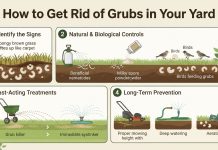
Pests like grubs and insects can wreak havoc on your lawn. Regularly inspect your yard for signs of infestation and take appropriate action. If necessary, consult with a professional to address the issue effectively.
Aeration
Aerating your lawn helps improve soil compaction and ensures that nutrients and water can reach the grassroots. It’s a critical step in maintaining a healthy and beautiful lawn. Aeration can be done using various methods, including core aeration and spike aeration.
Dethatching
Thatch is a layer of dead grass and other organic matter that can accumulate on the soil’s surface. Excessive thatch can hinder water and nutrient absorption. Dethatching your lawn, especially during the growing season, can enhance its overall health.
Seasonal Care
Your lawn’s needs change with the seasons. Implement a tailored care routine for spring, summer, fall, and winter. Each season may require different tasks, from overseeding in the fall to proper snow mold prevention in the winter.
The best practices for a healthy lawn are:
- Ensuring that it receives at least an inch and a half of water every week (Watering deeply and infrequently)
- Mowing at the proper height (2 inches)
- Avoiding fertilizers with high nitrogen content (Nitrogen causes thatch buildup)
- Removing weeds before they go to seed
Feeding the Lawn
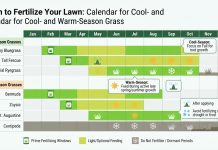
Fertilizing your lawn is an important part of keeping it healthy and green. If you have a healthy lawn, you can reduce the amount of water needed for upkeep and minimize weed growth. The best time to fertilize your grass is in the springtime when new growth starts to grow from the roots. This ensures that your grassroots has enough nutrients going throughout the growing season instead of being depleted at the end of summer.
The optimal times to spread fertilizer on your lawn are in early and late spring and early fall. In areas where lawns grow year-round, fertilize in late fall or early winter, too.
Go Easy on the Nitrogen:
Spread no more than 1 pound of nitrogen per 1,000 square feet at any one application, and give the grass no more than 4 pounds per season. (To help you calculate: 20 pounds of fertilizer with 5 percent nitrogen will deliver 1 pound of actual nutrient.) As we said, grass clippings left on the lawn also contain nitrogen, so apply just 2 pounds of supplemental nitrogen if you’ve been leaving the clippings behind.
Cut your lawn high
Another simple way to help your lawn grow up healthy and thick is to adjust your mower’s cutting height to its highest setting. Why? Tall blades of grass have more surface area exposed to the sun, enabling them to photosynthesize more sugars and starches for greater root growth.
Greater root mass means better access to water and nutrients, so plants are more tolerant of drought and can recover more rapidly from dormancy. Tallgrass also outcompetes annual weeds and conserves moisture by shading the soil.
Most grasses can be mowed to a height of 31/2 to 4 inches. Some varieties, particularly fine fescues and centipede grass, fall over at that height and should be mowed a half-inch to an inch shorter than other grasses.
No matter how tall the turf is, refrain from cutting off more than one-third of each grass blade in any single mowing, or you risk stressing the grass. Cutting off just one-third will produce small clippings that decompose quickly.
And keep your mower’s blade sharp. A dull lawn mower blade will tear grass, and the jagged wounds make the plants susceptible to infection and allow for more rapid evaporation.
Planting a New Lawn
In the North, fall is the best time to sow a new lawn because annual weeds are finishing their life cycles and are less likely to compete with new grass. Young turf plants can easily handle cool fall weather as long as they are six to eight weeks old before the first hard frost.
It’s a different story in the South: Fall is a poor time for sowing grass there because southern weeds operate on a different schedule—many of them germinate in the fall. In the South, sow grass seed or put down sod after the soil warms in spring.
What if you move into a new house when it’s not an ideal sowing time? You don’t want to live in the middle of a dirt patch while you wait for just the right time. Plant an interim lawn to fill in until you plant your permanent grass, suggests Warren Schultz in The Chemical-Free Lawn (Rodale Press, 1989).
In the North, annual ryegrass makes a good temporary lawn, Schultz reports. It germinates quickly, grows steadily, and covers a lot of ground. Ryegrass will die off over the winter, but by then its job will have been done. You can either till under the ryegrass in the fall and plant a permanent lawn in its place, or let it winterkill, rake out the dead grass, and overseed with a permanent seed mix early in the spring.
In the South, you can sow warm-season grasses from April to August. At any other time, start a cool-season nurse crop, such as perennial ryegrass, Schultz advises. The nurse crop of ryegrass will germinate quickly in any region. It will cover the ground and keep weeds from taking root. If you till it in before planting a new lawn, you get a second benefit—the rye acts as green manure, adding organic matter to improve the soil, which is where your lawn gets its start.

🌱 How to Maintain a Healthy Lawn: The Ultimate Guide to Greener Living
A lush green lawn isn’t just beautiful — it’s a reflection of care, a slice of serenity, and a playground for life’s simple moments. But achieving that velvety carpet of healthy grass doesn’t happen by luck. It takes knowledge, consistency, and a few well-timed actions throughout the year.
Whether you’re a weekend warrior with a rake in hand or a homeowner looking to boost curb appeal, learning how to maintain a healthy lawn will elevate not just your yard — but your whole home environment. Let’s dig in (pun intended).
🧭 1. Know Your Lawn: Start with the Foundation
Every lawn has its own personality. Before applying fertilizers or adjusting watering schedules, take a moment to assess the terrain.
Key factors to identify:
- Grass type: Cool-season (e.g., fescue, ryegrass) vs warm-season (e.g., Bermuda, St. Augustine)
- Sun exposure: Full sun, partial shade, or heavily shaded
- Soil quality: Clay-heavy, sandy, or loamy
- Drainage: Areas with puddling or runoff
- Foot traffic patterns: Paths that compact the soil more than others
🧪 Pro tip: Conduct a soil test (available at garden centers or via DIY kits) to measure pH and nutrient levels. This insight helps tailor your feeding and care plans with precision.
💧 2. Watering Wisely: The Lifeline of Lush Lawns
Water is essential, but too much or too little can wreak havoc. The goal is deep root development — not superficial surface wetting.
Golden rules of watering:
- Water early in the morning to minimize evaporation and fungal growth.
- Apply about 1 inch of water per week, either through rain or irrigation.
- Use soaker hoses or sprinklers for even coverage.
- Watch for footprint test — if the grass stays flattened after walking, it’s thirsty.
🚫 Avoid daily light watering; it promotes shallow roots and weak turf.
✂️ 3. Mowing Like a Pro: Cut with Care
Your mower isn’t just a tool — it’s a sculptor. Proper mowing affects grass health more than most homeowners realize.
Mowing best practices:
- Never cut more than ⅓ of the blade length at a time.
- Keep blades sharp for clean cuts (prevents disease).
- Adjust blade height seasonally — higher in summer to shade roots, shorter in fall to prepare for dormancy.
- Switch up mowing patterns to prevent soil compaction and blade stress.
💡 Let clippings stay on the lawn — they act as a natural fertilizer (a process called grasscycling).
🌾 4. Fertilizing for Vitality: Feed the Roots
Fertilizer fuels growth, color, and resilience — but timing and formulation matter.
Seasonal fertilizing tips:
| Season | Type of Fertilizer | Purpose |
|---|---|---|
| Spring | High nitrogen | Boost early growth |
| Summer | Slow-release nitrogen | Maintain color and vigor |
| Fall | Potassium-rich, balanced | Strengthen roots for winter |
🧠 Use organic options like compost tea or seaweed emulsion for eco-friendly nutrition that improves soil structure and microbial activity.
🧼5. Weed Control: Winning the Battle Without Chemicals
Weeds aren’t just unsightly — they steal water and nutrients from your lawn. A healthy lawn is the best defense, but there are smart strategies to combat unwanted invaders.
Natural weed control:
- Use corn gluten meal in early spring as a pre-emergent.
- Hand-pull weeds when soil is moist — roots come out easier.
- Apply mulch along borders to prevent weed seed germination.
- Spot treat with vinegar or boiling water for non-toxic removal.
👀 Monitor frequently: catching weeds early prevents exponential spread.
🪵 6. Aeration and Dethatching: Let Your Lawn Breathe
Over time, soil becomes compacted and covered in thatch — a layer of dead grass and roots that blocks water and nutrients.
How to remedy:
- Aerate once a year with a core aerator (fall or spring are best).
- Dethatch when thatch is over ½ inch thick — use a dethatcher rake or hire a pro.
- Follow with fertilization and overseeding for rejuvenation.
🌬️ Think of aeration like a deep exhale — it’s your lawn’s chance to reset and absorb goodness.
🌤️ 7. Seasonal Lawn Care Calendar
Here’s a handy overview to inspire consistent upkeep across the seasons:
📅 Year-Round Lawn Care Plan
| Season | Tasks to Focus On |
|---|---|
| Spring | Fertilize, overseed, dethatch, test soil |
| Summer | Mow regularly, deep water, control weeds |
| Fall | Aerate, apply potassium-rich fertilizer |
| Winter | Clean tools, monitor snow mold, prep equipment |
🏷️ Save or share this list with your readers — it’s a great printable resource.
🧠 8. DIY Lawn Hacks That Actually Work
Quick tricks that pack a punch:
- Use coffee grounds as a nitrogen-rich soil amendment.
- Mix molasses with water to feed beneficial microbes.
- Spray diluted beer to encourage microbial growth and green-up.
- Install rain barrels to collect water for free irrigation.
🎯 These hacks are fun to experiment with — great for eco-conscious gardeners and DIY enthusiasts alike.
🔍 9. Troubleshooting Common Lawn Issues
When problems arise, knowing how to respond saves money and frustration.
Common lawn woes:
- Brown patches: May signal fungal disease or grubs.
- Thin grass: Underfeeding or poor soil — consider overseeding.
- Yellowing blades: Iron deficiency, often fixable with supplements.
- Spongy turf: Excess thatch or watering — dethatch and reset schedule.
💬 Encourage readers to observe, research, and reach out to local extension services or garden centers for tailored solutions.
📈 10. Lawn Health & Your Lifestyle
Beyond aesthetics, a healthy lawn improves your lifestyle in ways you might not expect:
- Mental wellness: Green spaces reduce stress and improve mood.
- Family-friendly: Safer play areas for kids and pets.
- Environmental impact: Lawns help reduce urban heat and absorb carbon dioxide.
- Curb appeal & property value: A thriving lawn increases resale potential.
🪴 Your lawn is more than grass — it’s where life unfolds.
✨Final Takeaway: Love Your Lawn, It’ll Love You Back
The journey to a healthy lawn is ongoing — shaped by seasons, habits, and a little bit of science. But it’s also deeply rewarding. With each fresh blade, each soft step, and each outdoor gathering, your lawn becomes a stage for joy.
So whether you’re patching bare spots or planning a full rejuvenation, remember: consistency, patience, and love are the cornerstones of a vibrant yard.
FAQs (Frequently Asked Questions)
Q: How often should I water my lawn?
A: The frequency of watering depends on factors like soil type and weather conditions. Generally, aim for deep watering once or twice a week.
Q: Can I use any fertilizer for my lawn?
A: It’s crucial to choose a fertilizer with the right balance of nutrients for your specific grass type. Refer to the product labels for guidance.
Q: What’s the ideal mowing height for my lawn?
A: The ideal mowing height varies by grass type. As a general rule, never cut more than one-third of the grass blade at a time.
Q: When is the best time to aerate my lawn?
A: Aerate your lawn during the growing season, either in spring or fall, when the grass is actively growing.
Q: How can I identify lawn pests?
A: Keep an eye out for changes in grass color, visible pests, or irregular patches. Consult with a local extension office for accurate pest identification.
Q: Can I use organic methods for weed control?
A: Yes, organic weed control methods, such as manual removal and natural herbicides, are effective. However, consistency is key for optimal results.
Conclusion
Achieving a healthy lawn requires dedication and a tailored approach. By understanding your lawn’s unique needs and following these expert tips, you’ll be well on your way to a lush, vibrant lawn. Remember, consistency is key, so make these practices a part of your regular lawn care routine.
Read More: how to fix an ugly lawn
University of Maryland Extension advises removing no more than one-third of the grass blade each time you mow, and watering deeply but infrequently.
Colorado State University Extension recommends mowing cool-season turf at a relatively high height of 2.5 to 3 inches, and watering until moisture reaches the full depth of the roots, since less frequent watering reduces evaporation.
More Guides in This Series
- Annual Bluegrass “Poa annua” For Front Yard
- Elevate Your Outdoor Space: Fresh and Modern Grass Landscaping Ideas
- Best Tips to Control Insects for Lawn
- When to Lime Your Lawn – Liming Lawn Tips
- Lawn Aeration Basics: Unlocking a Healthier, Greener Yard
- Growing Lemongrass – Gardening Guide
- How To Grow The Perfect Lawn?
- The Complete Guide to Caring for Pampas Grass
- Miracle-Gro Fertilizer for Lawns: A Complete Guide
- Why You Should Buy and Grow Dwarf Mondo Grass
- How to Get Rid of Crabgrass – Best Way to Kill Crabgrass
- Putting Salt on Grass: What You Need to Know
- Kentucky Bluegrass vs Tall Fescue: Which Lawn Grass Is Better?
- Florida Types of Grass: A Comprehensive Guide to Choosing the Right Grass for Your Lawn
- Planting Grass Seed in Spring: A Comprehensive Guide
- Lawn Care Tips – What Is Fertilizer Burn? Warning Signs, Prevention, and Recovery
- “Ryegrass Lawn Seed” Pros and Cons of Overseeding Lawns
- Choose St. Augustine Grass Seed for Great Lawn
- Why Choose Bermuda Grass Seeds?
Sources
- University of Maryland Extension. “Maintaining an Established Lawn.” https://extension.umd.edu/resource/maintaining-established-lawn
- Colorado State University Extension. “Basic Turf Management.” https://extension.colostate.edu/resource/basic-turf-management/