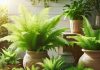
🌿 Exploring the World of Shade Flowering Perennials

A shady spot in the garden is often seen as a challenge, a place where it’s hard to grow anything vibrant and beautiful. But as a landscape design expert, I believe that a shady garden is a unique opportunity to create a cool, lush, and tranquil retreat. The key to success lies in choosing the right plants—specifically, Shade Flowering Perennials that are not only tolerant of low light but also provide a welcome burst of color and texture, returning to delight you year after year.
You don’t have to settle for a monochrome green space. This is a chance to work with nature, using plants that are naturally adapted to thrive in the filtered light beneath trees or on the north side of your home. This post will explore a variety of stunning shade perennials that will prove that your shady spots can be just as vibrant and beautiful as any other part of your yard.

Understanding Shade Gardens and Their Microclimates
Every shade garden has its own personality. Before selecting plants, map your space’s light patterns:
- Dappled Shade: Filtering light through deciduous trees, ideal for early spring bloomers and ferns.
- Deep Shade: North-facing walls or dense evergreens create cool, consistent shade. Ferns, heucheras, and hellebores flourish here.
- Morning Sun/Afternoon Shade: Gentle morning rays followed by afternoon shelter. Perfect for bleeding hearts, astilbes, and foxgloves.
Recognizing your garden’s microclimates helps match the right perennial to each niche.
Why Shade-Flowering Perennials Matter
When sunlight is scarce, many gardeners surrender their under-canopy spaces to moss or bare soil. Shade perennials reclaim these areas with:
- Colorful foliage that contrasts with darker backdrops
- Textural interest from frilly leaves, layered heights, and airy flower spikes
- Extended bloom windows through careful seasonal planning
- Wildlife habitat for pollinators, amphibians, and ground dwellers
Embracing shade perennials elevates the entire garden, turning once-neglected corners into living art.
Top Shade-Flowering Perennials: A Curated Selection
Below is a table of standout perennials that relish low-light conditions. Each species brings unique form, bloom time, and ecological benefits.
| Plant Name | Bloom Season | Flower/Texture | Key Benefit |
|---|---|---|---|
| Astilbe ‘Fanal’ | Early to mid-summer | Rosy-red plumes | Pollinator magnet |
| Hosta ‘Sum and Substance’ | Summer | Large chartreuse leaves | Dramatic focal point |
| Heuchera ‘Palace Purple’ | Late spring to summer | Deep purple foliage | Groundcover and snack for hummingbirds |
| Helleborus orientalis | Late winter to early spring | Nodding cup-shaped blooms | First nectar source of the year |
| Brunnera macrophylla | Spring to early summer | Sky-blue forget-me-not flowers | Shade-edge delight |
| Pulmonaria ‘Blue Ensign’ | Early spring | Speckled leaves, pink to blue flowers | Early nectar for bees |
| Tiarella cordifolia | Spring | White foam-like blossoms | Understory groundcover |
| Ferns (Dryopteris erythrosora) | All season (fronds) | Coppery new fronds, evergreen later | Textural backbone |
| Epimedium x versicolor | Spring | Delicate spurred flowers | Deer-resistant |
| Tricyrtis hirta | Late summer to fall | Orchid-like spotted blooms | Late-season pollinator feast |
Soil Preparation and Planting Essentials
Shade perennials thrive in rich, well-draining soil. To prepare planting beds:
- Test Soil pH: Aim for slightly acidic to neutral (pH 6.0–7.0).
- Amend with Organic Matter: Incorporate generous amounts of compost, leaf mold, or aged manure.
- Improve Structure: For clay soils, add coarse sand or fine gravel. For sandy soils, blend in more organic compost.
- Raised Beds and Mounds: Elevate planting areas in heavy clay or low-lying sites to improve drainage and root health.
Healthy soil delivers moisture and nutrients consistently, setting the stage for vigorous growth.
Planting and Establishing Your Shade Perennials
Follow these steps for smooth establishment:
- Timing: Plant in early spring or early autumn when temperatures are moderate.
- Spacing: Allow sufficient room for mature spread—check tag recommendations. Crowding leads to disease in humid shade.
- Mulching: Add a 2–3 inch layer of shredded bark or leaf mulch to retain moisture and suppress weeds.
- Initial Watering: Water deeply at planting and maintain evenly moist conditions until foliage is fully established.
Patience during the first season yields lasting rewards as roots gain strength and new shoots unfurl.
Designing with Seasonal Interest
Shade gardens can delight through all four seasons:
- Early Spring: Hellebores, pulmonarias, and brunneras burst forth as the woodland awakes.
- Late Spring to Summer: Astilbes and hostas take center stage, painting beds with color and form.
- Late Summer to Fall: Tricyrtis and ferns provide unexpected blooms and structural drama.
- Winter: Evergreen ferns, heuchera foliage, and seedheads from astilbe add sculptural interest.
A layered planting plan ensures there’s always an eye-catching element, even under bare tree branches.
Companion Planting and Ecological Harmony
Pair shade perennials with shrubs, bulbs, and groundcovers for a dynamic ecosystem:
- Native Azaleas and Rhododendrons: Offer spring blooms and year-round screening.
- Spring Ephemeral Bulbs: Trout lilies, Dutchman’s breeches, and wood anemones create carpets of color before perennials leaf out.
- Woodland Grasses: Carex species bring fine texture and rustling movement.
- Moss and Liverworts: Fill interstices between larger plants, enhancing that secret-garden feel.
This living tapestry supports beneficial insects, songbirds, and soil organisms.
Maintenance and Care: Nurturing Your Shade Haven
Shade perennials generally require less intervention than full-sun counterparts—but they still benefit from attentive care:
- Watering: Keep soil evenly moist. Use soaker hoses or drip lines to prevent wet foliage.
- Feeding: Apply a balanced, organic granular feed in early spring. Top-dress with compost annually.
- Dividing: Every 3–4 years, divide overcrowded clumps of hostas, astilbes, and heucheras to rejuvenate vigor.
- Pest Management: Monitor for slugs, snails, and vine weevils. Employ physical barriers and beneficial nematodes as organic controls.
Routine checks catch problems early and guarantee lush, resilient growth.
Troubleshooting Common Shade-Garden Challenges
Even shade paradises face hurdles. Here’s how to troubleshoot:
- Leggy Growth: Indicates too little light. Thin overhead canopy or relocate to brighter shade.
- Yellowing Leaves: Often a sign of poor drainage or compacted soil. Revise mulching strategy and aerate soil.
- Fungal Issues: High humidity can spark mildew. Increase spacing and improve air circulation with selective pruning.
- Pest Outbreaks: Slug damage appears as ragged holes. Handpick at dusk or use organic slug pellets sparingly.
Addressing these early prevents decline and keeps your garden thriving.
Creative Design Tips for Shade Corners
Elevate your shade garden from functional to fabulous:
- Vertical Layers: Use small trellises or espaliered shrubs to add height without sun exposure.
- Container Plantings: Pots of heucheras and ferns on pedestals bring color up from the ground.
- Reflective Surfaces: Place a mirror or pale stone path to bounce scarce light into darker nooks.
- Artful Pathways: Gravel or stepping stones invite exploration and protect delicate foliage.
These design touches transform shade spots into immersive garden rooms.
Read More: Expert Flower Gardening Tips for Beginners