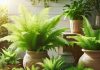
Plant Nursery – Grow Plants In a Controlled Environment: The Ultimate Guide

Creating a thriving plant nursery under controlled conditions transforms gardening from a seasonal hobby into a year-round pursuit. By mastering light, temperature, humidity, and nutrition in greenhouses or indoor grow rooms, you ensure vigorous growth, superior plant health, and consistent quality from seedling to sale.
In this expert guide, we’ll explore how modern nurseries harness technology, design best practices, and propagation techniques to cultivate everything—from delicate annuals and hardy perennials to towering shade trees—in meticulously managed environments. Read on to unlock advanced insights and elevate your nursery operations.

What Is a Plant Nursery and Why Control the Environment?
A plant nursery is a facility dedicated to propagating, growing, and selling young plants—annuals, perennials, shrubs, trees, and ornamentals. While traditional field nurseries expose stock to the elements, controlled-environment nurseries use structures like greenhouses, hoop houses, and indoor grow rooms equipped with climate-control systems. This approach offers:
- Uniform conditions for predictable growth rates
- Protection from pests, extreme weather, and seasonal limitations
- Accelerated production cycles for early spring and extended fall sales
- Enhanced quality control for root development, flowering, and foliage appearance
By shifting from open-air cultivation to enclosed systems, growers mitigate risks and set precise crop schedules—delighting customers with ready-to-plant specimens whenever demand arises.
Core Components of a Controlled-Environment Nursery
At the heart of every nursery greenhouse lies an array of systems that mimic ideal outdoor conditions and adapt them for indoor use:
1. Climate Control
Modern greenhouses integrate automatic temperature controls and improved ventilation to maintain optimal growing temperatures day and night. Automated vents can open to toughen seedlings by exposing them to fresh air without manual handling.
2. Light Management
Light-diffusing panels and supplemental LED or HPS lighting ensure seedlings receive the correct spectrum and intensity. Day-length timers simulate seasonal photoperiods, triggering flowering or dormancy as needed.
3. Irrigation and Fertigation
Semi-automatic watering systems—drip lines, ebb-and-flow benches, or overhead misting—deliver precise moisture levels. Fertigation injects soluble nutrients into irrigation water for uniform feeding across beds.
4. Bench and Container Systems
Raised benches improve air circulation and reduce soil pests. Standardized containers and plug trays simplify staging, transplanting, and shipping, while conveyor benches can rotate plants to optimize space.
Propagation Techniques: From Seed to Sapling
Successful nurseries excel at propagation, converting parent stock into saleable plants. Key methods include:
- Seed Germination: Temperature-controlled germination chambers accelerate sprouting.
- Cuttings and Layering: Many shrubs and perennials root readily when their stems are treated with rooting hormone under mist systems.
- Budding and Grafting: Fruit trees and specialty ornamentals often require skilled budding or grafting onto vigorous rootstocks for disease resistance and true-to-type characteristics.
- Tissue Culture: A laboratory-based method producing disease-free clones under sterile conditions, ideal for high-value or rare species.
Each technique demands tailored humidity, light, and hygiene protocols to minimize contamination and maximize success rates.
Designing Your Nursery Layout for Efficiency
A well-planned nursery balances workflow, plant health, and sales display:
- Zoning by Growth Stage: Group propagation, hardening-off, and finishing areas separately. Young seedlings require higher humidity and gentle light, while hardened fans need lower humidity and stronger airflow.
- Workflow Path: Arrange benches and pathways so stock moves seamlessly from propagation to acclimation to sales floor—minimizing handling and stress.
- Sanitation Stations: Install footbaths, tool-cleaning sinks, and handwash stations at entry points to prevent cross-contamination between zones.
- Energy Efficiency: Orient greenhouses east-west for balanced sun exposure. Incorporate double-wall polycarbonate glazing and shade cloth to regulate heat gain and reduce heating costs.
Innovations in Controlled-Environment Agriculture
Nurseries are increasingly adopting cutting-edge systems to boost productivity and sustainability:
- Hydroponics and Aquaponics: Soilless media such as rockwool, coco coir, or NFT channels eliminate soil-borne diseases and deliver nutrients directly to the root zone.
- Vertical Farming Racks: Multi-tier shelving with integrated LED lighting maximizes floor space—especially valuable for micro-nurseries in urban settings.
- Automated Climate Monitoring: Wireless sensors track temperature, humidity, CO₂ levels, and light intensity. Integrated software triggers heating, cooling, or lighting adjustments in real time.
- Rainwater Harvesting and Recirculation: Captured rainwater stored in on-site tanks reduces freshwater use. Combined with drip irrigation and runoff recovery, nurseries close the loop on water management.
Pest and Disease Management Without Harsh Chemicals
In a closed environment, integrated pest management (IPM) thrives:
- Beneficial Insects: Release predatory mites, ladybugs, and parasitic wasps to control aphids, thrips, and whiteflies.
- Biopesticides and Microbial Controls: Bacillus subtilis sprays combat fungal diseases, while entomopathogenic nematodes target soil pests—offering organic-certified solutions.
- Environmental Controls: Maintaining optimum humidity below 70% and ensuring proper ventilation disrupts pathogen life cycles and reduces mold pressure.
- Strict Sanitation: Regular bench cleaning, tool sterilization, and prompt isolation of affected batches prevent outbreaks from spreading.
Scaling Up: Commercial vs. Hobby-Scale Nurseries
While the fundamentals remain the same, scale influences equipment, staffing, and returns:
| Aspect | Hobby-Scale Nursery | Commercial Nursery |
|---|---|---|
| Facility Size | 100–1,000 sq ft | 5,000–50,000+ sq ft |
| Investment | $5,000–$20,000 | $100,000–$1,000,000+ |
| Automation Level | Basic timers and drip lines | Fully integrated climate control |
| Crop Turnover | Seasonal rotations | Year-round production |
| Staffing | Owner/operator + part-time helpers | Multiple full-time propagation, sales, and logistics teams |
Small-scale growers often focus on specialty crops—rare perennials, herbs, succulents—while large operations supply wholesale garden centers and big-box retailers.
Best Practices for Sustainable Nurseries
Adopting eco-friendly approaches strengthens your brand and minimizes environmental impact:
- Peat-Free Growing Media Shift to coconut coir, composted bark, or rice hull blends to conserve peat bogs.
- Energy-Efficient Heating Use biomass boilers, geothermal heat pumps, or condensing boilers to cut fuel consumption.
- Integrated Rain Gardens Capture and treat nursery runoff with constructed wetlands—filtering nutrients and benefiting local wildlife.
- Local Seed and Cutting Sourcing Partner with regional growers to reduce transportation emissions and promote native plant biodiversity.
Troubleshooting Common Nursery Challenges
Even the best-designed nurseries encounter hurdles. Here’s how to solve them:
- Stunted Growth: Check root zone temperature levels; ensure accurate pH and nutrient balance in water.
- Algae and Biofilm: Reduce overhead misting, scrub benches regularly, and treat irrigation water with UV or ozone if severe.
- Temperature Swings: Upgrade to automated vent openers or use auxiliary fans and shade cloth to buffer sudden heat spikes.
- Uneven Crop Performance: Rotate stock locations weekly to ensure equal light exposure and airflow.
Documenting environmental data and crop outcomes creates a feedback loop—fine-tuning conditions for peak performance.
Preparing for Market: Quality Assurance and Marketing
Premium nurseries distinguish themselves through consistent quality and compelling storytelling:
- Grade and Size Uniformity Sort and label plants by height, leaf count, and root-ball integrity to meet customer expectations.
- Branding and Presentation Use eco-friendly pots with custom-printed sleeves, share care guides, and highlight the controlled-environment advantage.
- Certifications and Partnerships Secure organic, sustainable, or local producer certifications. Collaborate with landscapers and garden clubs for bulk orders and workshops.
- Digital Engagement Showcase time-lapse videos of propagation processes and behind-the-scenes tours on social media—educating and captivating your audience.
Conclusion: Grow Success in Every Season
A controlled-environment plant nursery blends horticultural science with innovative design—delivering high-vigor plants, predictable schedules, and market-leading quality. From mastering propagation techniques and climate systems to implementing sustainable practices and advanced IPM, the journey requires dedication, creativity, and continuous learning. Ready to dive deeper? Explore our detailed guides on greenhouse automation, hydroponic systems, and cultivar selection—subscribe for monthly insights and start transforming your nursery into a year-round oasis of growth and profitability.